Every night, as you prepare for bed, you instinctively check the locks on your front door. This simple act protects your home from potential intruders. However, many business owners neglect to apply the same vigilance to their online presence. Leaving your digital storefront unprotected is akin to leaving your front door wide open.
When your site operates on an outdated HTTP protocol without a trusted SSL, you’re not just risking a data breach. You’re inviting hackers in and sending a clear message to your customers that their information may not be safe. At The Internet Business Provider (IBP), we understand the importance of safeguarding your online interactions.
In today’s fast-paced digital world, ensuring robust protection is crucial. A professional SSL serves as your primary defense, keeping communications secure and private. As we move towards 2026, the landscape of digital trust is evolving rapidly. Organizations must prioritize strong encryption to maintain their reputation and operational integrity.
Key Takeaways
- Failing to secure your online presence is as risky as leaving your home’s front door wide open.
- A professional SSL acts as the primary defense for your business.
- The digital trust space is evolving, requiring robust encryption.
- Implementing a trusted SSL is essential for a credible online identity.
- Securing your site shows a commitment to safety and aligns with user expectations.
The Importance of a Website Security SSL Certificate
In today’s digital landscape, ensuring high levels of protection is crucial for any business handling sensitive customer data. This is especially true for those processing online transactions. A robust defense not only protects your assets but also fosters a sense of trust with your audience.
Deploying professional SSL certificates acts as a foundation for establishing long-term relationships with customers. It demonstrates that you prioritize their privacy and security. Businesses that neglect their digital infrastructure risk significant reputational damage when breaches occur due to insufficient protection.
Moreover, a secure connection is no longer just a nice-to-have; it is a mandatory requirement in our interconnected economy. By investing in proper authentication, your company can ensure that every interaction between your server and users is shielded from unauthorized access.
| Key Benefits | Impact on Business | Customer Perception |
|---|---|---|
| Enhanced Security | Reduces risk of data breaches | Increases trust in your brand |
| Privacy Assurance | Protects sensitive information | Encourages customer loyalty |
| Compliance with Standards | Avoids legal penalties | Boosts reputation |
An Open Front Door: The Unencrypted HTTP Analogy
Imagine leaving your home unlocked while you sleep, inviting anyone to wander in. This is exactly what an unencrypted HTTP site does to your sensitive information. It allows anyone passing by to look inside and access private areas without any barriers.
Without proper encryption, malicious actors can easily infiltrate your digital space. They can steal sensitive data, including personal details and financial records of your users. The absence of a secure tunnel means that all information transmitted between the browser and the server is exposed to eavesdroppers on public networks.
Protecting your digital assets requires closing these vulnerabilities, much like locking a physical door to prevent unauthorized entry into your private residence. Businesses that ignore these risks leave their customers’ most valuable information exposed to theft. This negligence can lead to severe legal and financial consequences.
How SSL Protects Your Website Data
Just as you wouldn’t leave valuables in plain sight, your data needs a secure barrier. A Secure Sockets Layer (SSL) certificate creates an encrypted tunnel between the user’s browser and the server. This ensures that intercepted data remains completely unreadable.
This sophisticated encryption process utilizes a public key and a private key to scramble information. This makes it impossible for hackers to decipher the transmitted content. When a user connects to your site, the server and browser perform a handshake to establish this secure session.
By utilizing a valid certificate, you ensure that the communication channel is hardened against common interception techniques used by cybercriminals today. The technical mechanics of this process are designed to provide a seamless experience for the user while maintaining the highest standards of data confidentiality.
| Process Step | Description | Importance |
|---|---|---|
| Handshake | Establishes a secure session | Ensures data integrity |
| Public Key | Encrypts data sent | Protects against eavesdropping |
| Private Key | Decrypts received data | Maintains confidentiality |
Building Customer Trust Through Secure Connections
In the digital age, building trust with your customers is more important than ever. Establishing this trust is a critical objective for any company, and providing a secure connection is the most effective way to reassure your customers.
When visitors see that your site uses professional ssl certificates, they feel more confident sharing their personal information during the checkout or login process. A company that prioritizes security is viewed as more reliable and professional, which directly translates into higher conversion rates and improved brand loyalty.
Providing a safe environment for your users is a fundamental aspect of modern business. This helps to differentiate your brand from less secure competitors. Consistent security measures ensure that your customers remain protected throughout their entire journey on your site, fostering a positive and lasting relationship.
Browser Warnings and the “Not Secure” Flag
The visual cues provided by browsers can significantly influence user decisions. Modern browsers like Chrome, Safari, and Edge have made it clear when a site lacks proper protection. They explicitly label HTTP sites as “Not Secure,” which can quickly destroy user trust in your brand.
These warnings serve as critical alerts to visitors, indicating that the site they are accessing does not have the necessary safeguards to protect their data. When users see these alerts, they are much more likely to abandon the site, leading to lost traffic and diminished business opportunities.
Maintaining a secure environment is essential to avoid these negative indicators. Browsers are increasingly prioritizing user safety in their interface design. By ensuring your site is properly secured, you can prevent these damaging warnings from appearing, thereby preserving the confidence of your potential customers.
| Browser | Warning Message | Impact on Trust |
|---|---|---|
| Chrome | Not Secure | High |
| Safari | Not Secure | High |
| Edge | Not Secure | High |
SEO Impact: How HTTPS Enhances Search Rankings
In the realm of digital marketing, your site’s visibility is paramount for success. Google officially uses HTTPS as a ranking signal. This means that a secure site is more likely to achieve higher visibility in search engine results.
Failing to implement proper SSL can result in lower search rankings. This effectively pushes your business behind competitors who have prioritized security. Search engines focus on user safety and actively promote sites that utilize encryption.
Improving your search visibility is a direct benefit of securing your site. It signals to search engines that your platform is trustworthy and reliable. Investing in these security measures is a strategic move that supports both your technical SEO goals and your overall digital marketing performance.
Understanding the Core Components of an SSL Certificate
Understanding the fundamental elements of a digital security protocol is essential for any online business. These components work together to ensure that your domain is protected and trustworthy. Let’s explore some key aspects that every administrator should know.
Domain Validation and Key Information
Every valid certificate contains critical information. This includes the domain name, the organization’s identity, and the public key used for encryption during the secure handshake process. Knowing these details helps ensure that your domain is configured correctly.
The Role of Certificate Authorities
A certificate authority plays a vital role in the digital ecosystem. They verify the identity of the applicant before issuing the digital document that validates the site’s authenticity. This verification process is crucial for maintaining trust.
Moreover, the expiration date of a certificate is typically set for one to two years. Businesses must manage their renewals to avoid service interruptions. The public key is a string of characters essential for the encryption and decryption of data sent between the user’s browser and the server.
Understanding these core components helps administrators ensure that their domain remains robust over time, maintaining a secure online presence.
| Component | Description | Importance |
|---|---|---|
| Domain Name | The specific address of the site | Identifies the entity being secured |
| Public Key | Used for encrypting data | Essential for secure communication |
| Certificate Authority | Issues and verifies certificates | Ensures trust and authenticity |
| Expiration Date | Timeframe for validity | Requires management to maintain security |
Exploring DV, OV, and EV: Types of SSL Certificates
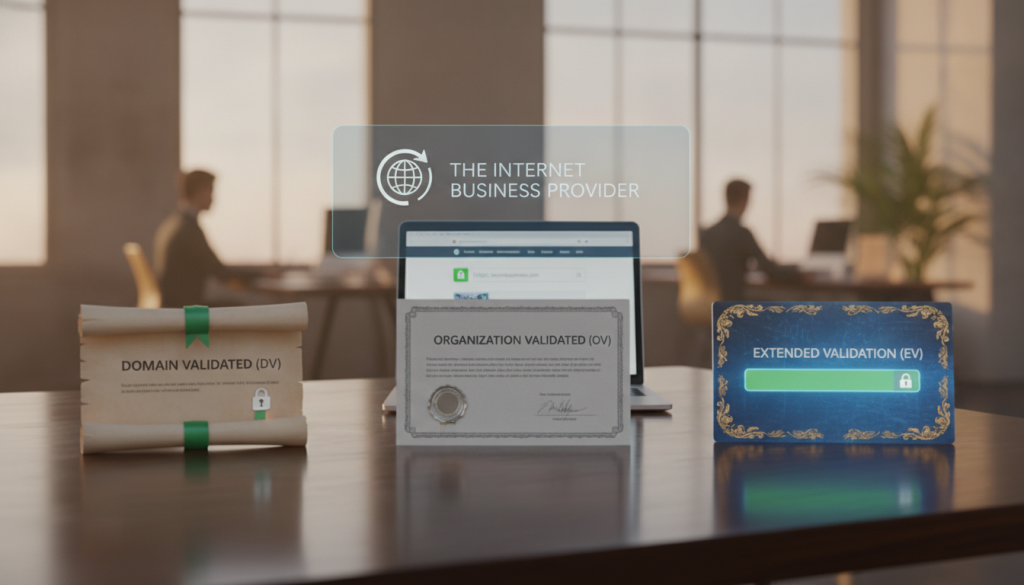
When it comes to digital assurance, the type of validation you select plays a crucial role. There are three main types of SSL certificates: Domain Validated (DV), Organizationally Validated (OV), and Extended Validation (EV). Each serves a different purpose and offers varying levels of trust.
Domain Validated (DV) certificates provide the fastest issuance process. However, they offer the lowest level of assurance regarding the identity of the business. This makes them suitable for personal websites or blogs where high trust is not essential.
Organizationally Validated (OV) certificates require the certificate authority to verify the physical location and existence of the business. This type offers a higher level of trust and is ideal for small to medium-sized businesses.
Extended Validation (EV) certificates represent the highest standard of security. They involve a thorough review of corporate documents and independent third-party verification. Many enterprises opt for this type to provide maximum assurance to their customers, especially when handling highly sensitive financial or medical records.
Choosing the right type of certificate depends on your organization’s specific needs and the level of trust you wish to convey to your visitors.
| Type | Level of Assurance | Ideal For |
|---|---|---|
| DV | Low | Personal sites, blogs |
| OV | Medium | Small to medium businesses |
| EV | High | Enterprises, sensitive transactions |
Standards and Protocols: SSL/TLS in Modern Web Security
In the evolving landscape of online interactions, protocols play a vital role in safeguarding data. While the term SSL is commonly used, the industry has largely transitioned to the Transport Layer Security (TLS) protocol for modern web protection.
TLS is a more reliable and secure version of the original SSL protocol. It utilizes advanced cipher suites to protect data transmissions, ensuring that sensitive information remains confidential.
Adhering to these evolving security standards is crucial for maintaining compliance. This ensures that your infrastructure remains protected against emerging threats. Transitioning from older protocols to modern TLS is standard practice for any organization aiming to provide the highest level of data protection.
By staying updated with these protocols, your business ensures that its web services remain compatible with the latest browser security requirements.
| Protocol | Version | Security Level |
|---|---|---|
| SSL | 1.0, 2.0, 3.0 | Outdated |
| TLS | 1.0, 1.1, 1.2, 1.3 | Modern |
| Current Standards | N/A | High |
Industry Insights and Key Takeaways from Recent Events
Recent events in the digital landscape have shed light on the evolving role of trust in online transactions. Industry leaders gathered to discuss the future of digital trust and the operations of certificate authorities.
During the CA/Browser Forum F2F in Houston, March 10-12, 2026, key topics included:
- The future of digital trust and its implications for businesses.
- Insights into C2PA implementation and digital watermarking technologies at the CAI OTS Forum 2026 in Singapore.
- Advancements in media authenticity through C2PA certificates at the NAB Show 2026.
These forums provide essential takeaways for any business looking to stay ahead in the rapidly changing digital landscape. By participating in these discussions, organizations can better understand the evolving standards for ssl certificates and their role in protecting brand authenticity.
The IBP Advantage: Your Digital Locksmith
Think of your digital presence as a vault; it needs a skilled locksmith to ensure its protection. At IBP, we act as your dedicated digital locksmith, securing all your business assets and customer data against unauthorized access.
Our expert team delivers comprehensive implementation, managing the lifecycle of your certificates to prevent any lapses in protection. We go beyond a simple vendor relationship, offering ongoing support to help your business navigate the complexities of modern digital security standards.
With IBP, you gain a partner committed to the long-term integrity of your infrastructure. This allows you to focus on your core business operations while we ensure that your certificates are always up to date. Our approach guarantees a seamless and secure experience for both your employees and your customers.
Selecting the Right Certificate Authority for Your Business
Choosing the right certificate authority is essential for establishing a trustworthy online presence. This decision significantly impacts the level of trust and security provided to your business users.
When evaluating potential providers, consider their validation processes, support capabilities, and the variety of ssl certificates they can issue. A reliable authority will guide you through the necessary steps to ensure your organization meets all compliance requirements for your specific industry.
Furthermore, the long-term reputation of the certificate authority is crucial. Their digital signature is what ultimately validates the identity of your site. Proper selection ensures that your business receives the high-quality support needed to maintain a secure and trusted online presence for years to come.
| Criteria | Importance | Considerations |
|---|---|---|
| Reputation | High | Choose well-known authorities |
| Validation Process | Medium | Assess their verification methods |
| Support Services | High | Look for responsive customer service |

Integrating SSL Certificates into Your Business Infrastructure
Incorporating robust encryption into your business framework is essential for safeguarding customer data. This is especially true for eCommerce platforms that handle sensitive payment information. By prioritizing the integration of secure protocols, you can enhance trust with your customers.
To ensure a smooth adoption process, consider the following best practices:
- Set up automated alerts for renewal to prevent unexpected expirations that could disrupt your operations.
- Streamline the adoption process to guarantee that all subdomains and web applications are protected by valid encryption.
- Verify that all internal and external communications are routed through secure channels to avoid data leakage.
- Maintain a clear inventory of all active certificates to facilitate efficient management of security updates across your digital ecosystem.
By following these guidelines, your business can effectively protect sensitive information and maintain a strong digital presence.
Verifying and Maintaining Your SSL Configuration
Maintaining the integrity of your online presence is crucial for ensuring user trust. Regularly verifying your site configuration guarantees that the padlock icon appears correctly in the browser address bar for all visitors. This small detail can significantly influence their perception of your site’s reliability.
You can utilize tools like Google Analytics and Statcounter to monitor the health of your web traffic. These platforms collect anonymous information for 365 days, providing valuable insights into user interactions.
It’s also important to check that your server is correctly configured to serve the certificate. This helps prevent any potential errors during the handshake process, which could disrupt user experience.
Routine maintenance of your security settings aids in identifying and resolving issues before they impact the user experience or the safety of your site. By keeping your configuration updated, you ensure that your site remains compatible with the latest security protocols required by modern browsers.
| Task | Frequency | Purpose |
|---|---|---|
| Verify Site Configuration | Monthly | Ensure padlock icon visibility |
| Monitor Traffic | Ongoing | Analyze user interactions |
| Check Server Setup | Quarterly | Prevent handshake errors |
| Review Security Settings | Biannually | Identify potential issues |
Embracing Automation for SSL Certificate Management
Automating the management of your encryption protocols can transform your approach to online safety. Embracing automation for the management of your certificates significantly reduces the manual effort required to keep your web services secure.
One of the most notable tools available is Let’s Encrypt, a nonprofit project of the Internet Security Research Group. This initiative provides free, automated TLS certificates to help secure the web.
Automating the renewal process ensures that your certificates are always current, eliminating the risk of human error during the update cycle. Many modern platforms now support automated issuance, making the entire process of securing your infrastructure faster and more reliable for your team.
By leveraging these tools, your organization can maintain a high security posture without the overhead of constant manual intervention and monitoring.
Conclusion
Just as you lock your car to keep it safe, securing your online presence is equally vital. Implementing a professional ssl certificate is the most effective way to protect your business and build lasting trust with your customers.
By ensuring that your platform remains a safe destination, you pave the way for long-term growth. A properly configured ssl certificate not only safeguards sensitive information but also enhances your search engine rankings and overall digital reputation.
We encourage you to evaluate your current posture and take the necessary steps to obtain a high-quality ssl certificate today. With the right partner, your business can confidently navigate the digital landscape while keeping your assets fully protected.