Building a business online today is easier than ever. However, this convenience comes with a hidden danger: the risk of becoming overly dependent on external platforms. Many entrepreneurs mistakenly believe that having an active social media profile or a custom storefront equates to true business infrastructure. This is a misconception.
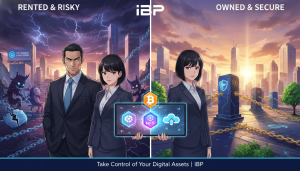
When you rely solely on third-party networks, you are essentially constructing your entire professional foundation on borrowed land. This can lead to unexpected consequences, such as waking up to an “Account Suspended” notification without any recourse.
To achieve true sustainability, a significant shift toward complete control over your online presence is essential. This means understanding the importance of securing your own digital properties. Only then can you ensure that your business remains viable in an ever-evolving digital landscape.
Key Takeaways
- Online business building is easier but poses risks of platform dependency.
- Active social media profiles do not guarantee true control over your business.
- Relying on third-party networks means building on rented land.
- Achieving sustainability requires a shift toward complete control of your online presence.
- Understanding your digital properties is vital for business viability.
Understanding Digital Platform Dependency
The ease of starting an online business today is unprecedented. However, this convenience can lead to a dangerous dependency on external platforms. When you rely on a third-party network, your business infrastructure is often governed by the terms set by centralized providers.
It’s crucial to understand that a blockchain serves as a shared public database. This system is duplicated across various computer systems, allowing new entries but preventing alterations to existing ones. Recognizing this distinction helps you treat your digital assets as property.
By managing your own technology stack, you minimize the risk of losing access to your customer base during unexpected platform policy updates or outages. This proactive approach is essential for ensuring your business remains resilient in a rapidly changing environment.
The Hidden Trap of Rented Digital Real Estate
Establishing an online presence has become a common pursuit for many entrepreneurs. However, this convenience can lead to significant vulnerabilities. Social networks and closed-loop website builders are excellent for initial growth, yet relying on them as your permanent home introduces major risks.
One critical concern is algorithm volatility. A single tweak to a distribution algorithm can slash your organic reach by 50% to 80% overnight. This change can directly impact your revenue, leaving you powerless to adjust.
Additionally, the threat of deplatforming looms large. Policy updates or erroneous automated flags can jeopardize your business overnight. You have no control over these changes, yet they dictate the visibility of your digital assets and the success of your online transactions.
Relying on proprietary technology owned by others limits your ability to pivot when the underlying network changes its rules without prior warning.
Digital Asset Ownership: A Strategic Imperative
Navigating the online business landscape requires a strategic approach to securing your resources. Establishing a secure business foundation means moving your core digital assets away from centralized platforms that can restrict your access at any time.
The Infrastructure Investment and Jobs Act of 2021 provides the legal framework for how these assets are classified as property for tax purposes. By prioritizing ownership, you ensure that your company retains control over its intellectual property and customer data.
Strategic planning is vital. Integrating blockchain technology can create a permanent, immutable record of your business transactions and holdings. A robust foundation protects your assets from the volatility of relying on third-party services that may not prioritize your long-term growth.
Leveraging Blockchain for Asset Security
In today’s interconnected world, ensuring the security of your resources is paramount. One innovative solution is blockchain technology, which offers a unique approach to safeguarding your holdings. This technology functions as a shared public database, replicated across multiple computer systems. New entries can be added, but existing ones remain unaltered, creating a secure environment for your transactions.
By utilizing blockchain, businesses can protect their digital assets on an immutable ledger. This ledger acts as a single source of truth, ensuring transparency and trust among all participants. Furthermore, smart contracts play a crucial role in this ecosystem. These self-executing programs define ownership rules and manage transactions without needing a central authority.
When you adopt blockchain, your property rights are cryptographically secured. This verification process allows any network participant to confirm the legitimacy of your holdings. Understanding how these systems work is essential for transitioning from rented platforms to a more secure, owned environment.
| Feature | Description | Benefit |
|---|---|---|
| Shared Database | Publicly accessible and replicated across systems | Enhanced security and transparency |
| Immutable Ledger | Entries cannot be altered once recorded | Protection against fraud and tampering |
| Smart Contracts | Self-executing agreements with defined rules | Automated and efficient transaction management |
Tokenized Ownership: Fractionalizing High-Value Assets
The transformation of high-value assets into accessible investments is revolutionizing the market. Tokenization enables significant properties, like commercial skyscrapers, to be divided into millions of digital shares. This innovation lowers the barrier for investors, making it easier for them to participate.
How does tokenization work? This process utilizes blockchain technology to create a digital twin of an asset. This ensures that ownership is transparent and verifiable on the ledger, enhancing trust among participants.
How Tokenization Works
By fractionalizing property, businesses can raise capital more efficiently. It provides liquidity to participants who previously could not access such markets. Smart contracts manage the distribution of value, such as rental yields, directly to token holders. This eliminates the need for manual intervention or third-party banks.
Benefits and Real-World Applications
The use of tokens transforms our perception of ownership. It turns illiquid assets into tradable instruments that can be exchanged on global secondary markets. This shift opens up new avenues for investment and wealth creation.
| Feature | Description | Benefit |
|---|---|---|
| Fractional Ownership | Divides assets into smaller shares | Lower investment thresholds for participants |
| Blockchain Verification | Ensures transparent ownership records | Increased trust and security |
| Smart Contracts | Automates value distribution | Reduces administrative overhead |
Enhancing Business Resilience with Owned Digital Assets
To thrive in the online marketplace, businesses must prioritize control over their resources. Resilience is built by ensuring that your company maintains control over its digital assets, independent of any single third-party platform provider.
Shifting from rented infrastructure to owned digital assets stored on secure, decentralized ledgers is crucial. By maintaining control over your own technology stack, you mitigate the risk of service disruptions caused by external platform policy changes or outages.
Owned assets provide a stable foundation for your company. This stability allows you to scale operations without fear of losing access to your core data. Implementing a strategy that prioritizes property rights over rented access ensures that your business remains operational even during periods of market volatility.
Furthermore, we analyze how companies can use blockchain-based systems to secure their long-term growth and protect their digital assets from unauthorized interference.

Securing Your Digital Capital Against Operational Vulnerabilities
In an age where online businesses thrive, ensuring the safety of your resources is crucial. Companies must actively work to reduce risks that stem from relying on centralized platforms. These platforms often change their algorithms, which can affect your operations unexpectedly.
Moreover, planning for regulatory and compliance shifts is essential. The Infrastructure Investment and Jobs Act emphasizes the need for accurate records of all transactions involving your holdings. This legislation impacts how your resources are taxed and regulated.
By maintaining your own infrastructure, you can prepare for future changes in regulations. This proactive management of your resources minimizes the risk of loss during market fluctuations or sudden policy changes. As we explore how to create a secure environment, we will also address compliance with evolving legal standards in the United States.
- Mitigating risks from algorithm changes protects your business.
- Planning for compliance shifts is vital for maintaining records.
- Own infrastructure prepares you for future regulatory changes.
- Proactive management reduces losses during market instability.
- Building a secure environment ensures compliance with legal standards.
Navigating Tax Implications for Digital Assets
Understanding the tax implications of your online transactions is essential for any entrepreneur. For U.S. tax purposes, these resources are classified as property, not currency. This means you must report them on your federal income tax returns whenever transactions occur.
Brokers will also play a significant role in this process. Starting January 1, 2025, they are required to report gross proceeds from transactions using the new Form 1099-DA. This regulation emphasizes the need for accurate reporting.
It’s crucial to distinguish between capital gains and ordinary income when reporting the sale or disposition of your resources to the IRS. Maintaining sufficient records of every transaction is not just good practice; it’s a legal requirement under the Internal Revenue Code.
We will guide you on how to handle the tax implications of your digital holdings, including calculating basis and reporting income from various activities.
Building a Safe and Compliant Digital Asset Infrastructure
Creating a secure environment for your resources is vital in today’s digital landscape. To ensure the longevity of your business, establishing a robust infrastructure is essential. This includes using secure wallets to store the private keys that grant you access to your digital assets on-chain.
Best practices for data security are crucial. Protecting your private keys acts as the password to prove ownership of your digital property. A wallet provides a convenient place to view your assets and ledger positions, but remember, the actual digital asset remains on the blockchain.
Compliance is another critical aspect. It involves ensuring that your wallet management practices align with the latest regulations regarding the custody and transfer of digital assets. By following these guidelines, you can safeguard your keys from unauthorized access or loss.
“Security is not a product, but a process.” This quote highlights the ongoing effort required to protect your resources effectively.

Distributed Ledger Technology: Transforming Digital Ownership
As the landscape of online business evolves, new technologies are emerging to redefine how we perceive ownership. One such innovation is distributed ledger technology, which is reshaping the concept of digital property.
This technology provides an immutable public record that ensures transparency and trust for all participants in the ecosystem. The benefits of an immutable public ledger include:
- Verification of History: Users can trace the history of any digital asset without needing a central authority.
- Cryptographic Security: Property rights are secured, preventing unauthorized changes to ownership records.
- Streamlined Transactions: Companies can reduce reliance on intermediaries, making operations more efficient.
- Setting New Standards: This technology is establishing a new norm for how value is exchanged in the modern economy.
In a world where trust is paramount, distributed ledger technology offers a solution that benefits all stakeholders. As we explore its impact, it becomes clear that this technology is not just a trend; it’s a fundamental shift in how we handle value.
Efficiency Gains Through Atomic and Tokenized Settlements
In the evolving landscape of finance, efficiency is key to maximizing value. Atomic settlement allows for the transfer of an asset and the payment to occur simultaneously onchain. This innovation significantly reduces counterparty risk, eliminating the need for a traditional bank.
By removing intermediaries, businesses can achieve real-time transactions. This leads to reduced counterparty risk and enhances the overall efficiency of operations. Tokenized settlements enable the exchange of digital assets and shares in a fraction of the time required by legacy financial systems.
This efficiency gain is crucial for companies aiming to optimize their market participation. It also helps reduce costs associated with settlement delays. We examine how onchain settlements are changing the way value is transferred, making transactions faster, cheaper, and more secure for all parties.
Interoperability and the Future of Digital Transactions
The landscape of online transactions is rapidly evolving, demanding innovative solutions. Interoperability is crucial for enabling assets to flow seamlessly between various blockchain networks and traditional banking systems.
Chainlink plays a vital role in this transformation. Its Proof of Reserve technology automates the verification of offchain assets backing a token, ensuring real-time transparency for all market participants.
Chainlink’s Role in Ensuring Data Integrity
By guaranteeing data integrity, Chainlink facilitates global market integration. This allows companies to leverage their digital assets across diverse platforms, enhancing their operational efficiency.
Enabling Global Market Integration
Secure technology and cryptographic keys ensure safe value transfers, even across different chains. These advancements are shaping a more connected and efficient economy, where property can be traded with a global reach.