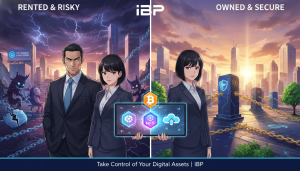
Imagine waking up to find your entire business has vanished overnight. It was not a fire or a burglary, but a simple algorithm update or a sudden platform ban. For millions of creators, their entire livelihood exists on rented land.
If you rely solely on Instagram, TikTok, or YouTube, you do not truly control your audience. You are merely borrowing them from tech giants who can change the rules at any moment. This precarious situation highlights why Digital Asset Ownership is the most critical strategy for modern entrepreneurs.
Building a brand exclusively on social media creates a dangerous dependency. By shifting your focus toward independent platforms, you protect your hard work from external volatility. Embracing Digital Asset Ownership ensures that your professional stability remains firmly in your hands, allowing for sustainable growth regardless of shifting trends.
Key Takeaways
- Social media platforms act as rented land that can disappear without warning.
- Relying on third-party algorithms puts your business income at constant risk.
- True independence requires building channels you fully control, such as email lists or websites.
- Taking control of your audience data is essential for long-term professional security.
- Strategic shifts toward self-hosted platforms protect your brand from sudden policy changes.
The Modern Digital Landscape and the Illusion of Control
Many users believe they are building empires online, yet they are merely tenants on someone else’s land. The internet was once a vast, open frontier where individuals could publish content without seeking permission from a central authority. Today, that vision has largely faded, replaced by a digital environment dominated by a few massive corporations.
The shift from open web to walled gardens
The evolution of the internet has moved toward what experts call walled gardens. These are closed ecosystems where the platform owner controls every aspect of the user experience, from data access to content visibility. While these platforms offer convenience, they effectively lock users into a specific environment.
In this model, your ability to reach an audience is entirely dependent on the rules set by the platform. If the platform decides to change its terms or restrict your reach, you have very little recourse. This shift has fundamentally altered how we interact with our own digital content.
Why platform dependency creates hidden vulnerabilities
The primary danger of Online platform dependency is the false sense of security it provides. When you build your entire brand on a third-party site, you are subject to their shifting algorithms and business priorities. This creates a fragile foundation for any long-term digital strategy.
By relying on these services, you risk losing your audience overnight if the platform changes its policies or shuts down. Understanding the risks of Online platform dependency is the first step toward reclaiming your digital independence. The following table highlights the key differences between open infrastructure and restrictive platforms.
| Feature | Open Infrastructure | Walled Garden |
|---|---|---|
| Data Ownership | Full Control | Platform Controlled |
| Audience Access | Direct/Unfiltered | Algorithmic Gatekeeping |
| Longevity | High (Permanent) | Low (Platform Dependent) |
| Customization | Unlimited | Restricted |
Understanding the Dangers of Digital Sharecropping
Many creators unknowingly build their entire business on land they do not own. This phenomenon, often called digital sharecropping, occurs when you invest significant time and effort into platforms that control your access to the audience. While these sites offer free tools, the digital sharecropping dangers are hidden in the fine print of their terms of service.
Defining the sharecropping model in social media
In this model, the platform acts as the landlord, while the creator provides the labor. You produce content that keeps users engaged, which in turn generates ad revenue for the platform. However, you possess no real equity in the infrastructure, meaning the platform can change the rules or terminate your account without warning.
Effective platform risk management requires recognizing that your profile is not a permanent asset. If the platform decides to pivot its business model, your hard work could vanish overnight. You are essentially building a house on rented ground that can be reclaimed at any moment.
The risk of algorithm changes and shadowbanning
Creators often experience sudden drops in reach due to algorithmic volatility. A minor update to a platform’s code can render your content invisible to your most loyal followers. This lack of predictability makes it nearly impossible to maintain a stable income stream.
Furthermore, shadowbanning remains a constant threat to independent voices. When a platform limits your visibility without clear justification, your ability to communicate with your audience is severely compromised. This creates a cycle of dependency where you must constantly chase trends to stay relevant in the eyes of an opaque system.
Loss of audience access and data portability
The most significant risk involves the inability to move your followers to a new location. True data portability means you own the contact information of your audience, such as email addresses or phone numbers. Without this, you are at the mercy of the platform’s gatekeepers.
If you cannot export your community, you are not building a business; you are building a following for someone else. Prioritizing ownership ensures that your connection to your audience remains secure and independent of any single tech giant. Protecting your digital footprint is the only way to ensure long-term success in a changing economy.
The Strategic Importance of Digital Asset Ownership
Achieving Digital Asset Ownership is the cornerstone of a resilient and profitable online career. Many creators mistakenly believe that high follower counts equate to business security. However, true stability comes from controlling the infrastructure that hosts your work.
Defining what constitutes a true digital asset
A true digital asset is any piece of content or data that you control entirely without reliance on a third-party platform. This includes your self-hosted website, your proprietary email subscriber list, and your original intellectual property. These items remain under your jurisdiction regardless of changes to social media algorithms or corporate policies.
“The only way to ensure your digital legacy is to build your house on land you own, not on rented ground that can be reclaimed at any moment.”
The difference between access and ownership
It is vital to distinguish between having access to an audience and possessing ownership of that connection. When you post on social media, you have temporary access to a platform’s users. If that platform changes its terms or shuts down, your access vanishes instantly.
Ownership, by contrast, means you hold the keys to your data. You can move your website to a new host or export your email list to a different provider whenever you choose. The following table highlights the core differences between these two states of digital existence.
| Feature | Rented Platform | Owned Asset |
|---|---|---|
| Data Control | Limited | Full |
| Portability | None | High |
| Longevity | Platform Dependent | Permanent |
Long-term value creation through independent platforms
A sustainable Content strategy must prioritize the growth of owned channels over rented ones. By directing traffic from social media to your own website, you convert casual viewers into loyal, long-term followers. This approach protects your brand from the volatility of the modern digital economy.
Focusing on independent platforms allows you to build equity that grows over time. When you invest in your own infrastructure, you are not just creating content; you are building a valuable business entity. A robust Content strategy ensures that your hard work pays dividends for years to come, rather than disappearing into a feed.
Why Your Domain Name is Your Digital Real Estate
In the vast expanse of the internet, a custom domain acts as your permanent address. While social media profiles are rented spaces subject to platform whims, your domain represents true digital real estate that you control entirely. Establishing this foundation is the most critical step for any serious creator or business owner.
The permanence of a custom domain
A custom domain provides a level of stability that no third-party platform can offer. When you rely on a specific app or website to host your content, you are at the mercy of their changing terms of service. By contrast, your domain remains yours regardless of which hosting provider you choose.
- Portability: You can move your website to any server without losing your traffic.
- Consistency: Your audience always knows exactly where to find you.
- Custom domain benefits: You gain full control over your URL structure and branding.
Building brand authority independent of third-party hosts
Establishing brand authority requires a professional presence that feels cohesive and trustworthy. When your content lives on a custom domain, you signal to your audience that you are a serious entity rather than a transient user.
“Your website is the only piece of digital property you truly own. Everything else is just a lease.”
— Digital Strategy Expert
This independence allows you to curate your user experience without intrusive ads or algorithmic interference. By focusing on your own platform, you build a reputation that is tied to your name, not a platform’s popularity.
Technical considerations for domain security and management
Owning your digital home requires active maintenance to ensure it remains safe and accessible. You must treat your domain as a valuable asset by implementing robust security protocols.
| Security Feature | Purpose | Risk Level |
|---|---|---|
| SSL Certificate | Encrypts data | Low |
| Domain Locking | Prevents theft | Medium |
| 2FA Access | Secures login | High |
Regularly updating your contact information and monitoring your DNS settings are essential custom domain benefits for long-term growth. Protecting your digital real estate ensures that your brand authority continues to grow without interruption from technical failures or security breaches.
The Email List as the Ultimate Secure Asset
While social media platforms rise and fall, your email list remains the bedrock of your digital presence. Unlike rented spaces on social networks, an email database is a truly owned asset that you control entirely. It provides a stable foundation for your business growth regardless of external changes.
Why email remains the most reliable communication channel
Email is the only channel that guarantees your message reaches the inbox of your followers. It is not subject to the whims of corporate policy changes or sudden platform shutdowns. By focusing on email list marketing, you ensure that your brand voice remains consistent and protected over time.
Direct access to your audience without algorithmic interference
The primary danger of modern social media is algorithmic volatility. When you rely on these platforms, your reach is often throttled by hidden code that favors paid advertisements over organic content. Email bypasses these barriers, allowing you to maintain direct, unfiltered access to your community.
This direct connection is essential for long-term audience retention. When you communicate via email, you are not competing with viral trends or distracting notifications. You are engaging in a focused conversation with people who have explicitly invited you into their digital space.
Best practices for building and nurturing a subscriber base
Building a list requires a strategy that prioritizes quality over quantity. You must treat your subscribers with respect by providing consistent value rather than just promotional noise. High subscriber engagement is the result of a thoughtful, human-centric approach to communication.
Choosing the right email service provider
Selecting a reliable email service provider is the first step toward professionalizing your outreach. Look for platforms that offer robust automation, clear analytics, and high deliverability rates. Popular options like ConvertKit, Mailchimp, or Beehiiv provide the tools necessary to manage your list as it scales.
Strategies for high-value lead magnets
To grow your list effectively, you need to offer something of genuine value in exchange for an email address. A high-value lead magnet—such as an exclusive white paper, a specialized checklist, or a mini-course—acts as a powerful incentive for new sign-ups. By solving a specific problem for your audience, you establish trust and authority from the very first interaction.
Evaluating Your Current Digital Portfolio
Before you can secure your future, you must understand where your content currently lives. Many creators unknowingly build their entire brand on borrowed ground, leaving them vulnerable to sudden policy changes. Conducting a thorough digital asset audit is the most effective way to gain clarity on your current exposure.

Auditing your reliance on rented platforms
Start by listing every platform where you publish content, including social media profiles, video hosting sites, and third-party blogging networks. Note how much control you have over the audience data and the longevity of your posts on each site. True independence requires knowing exactly which channels you own and which ones you merely rent.
Ask yourself if you could reach your audience if a specific platform disappeared tomorrow. If the answer is no, you are likely over-leveraged on rented infrastructure. This realization is the first step toward prioritizing Digital Asset Ownership over short-term viral reach.
Identifying high-risk versus low-risk digital assets
Not all platforms offer the same level of security for your hard work. High-risk assets are those where the platform owner controls the algorithm, the visibility of your content, and your ability to contact followers. Conversely, low-risk assets are those you host yourself, such as a website on a custom domain.
| Asset Type | Risk Level | Control Level | Ownership Status |
|---|---|---|---|
| Social Media Profiles | High | Low | Rented |
| Third-Party Newsletters | Medium | Moderate | Shared |
| Self-Hosted Website | Low | High | Owned |
Creating a roadmap for asset migration
Once you have categorized your presence, it is time to build a strategy for transition. Focus on moving your core content to your own digital real estate, such as a self-hosted blog or a private database. This migration does not need to happen overnight, but it must be consistent.
Prioritize moving your most valuable content first to ensure it remains accessible regardless of external platform shifts. By systematically shifting your focus, you strengthen your Digital Asset Ownership and protect your brand. Investing in your own digital real estate ensures that your hard work remains under your control for years to come.
Building a Foundation on Owned Infrastructure
True digital independence begins when you stop renting your presence and start building on your own infrastructure. By prioritizing self-hosted infrastructure, you ensure that your digital assets remain under your direct control rather than at the mercy of third-party terms of service. This shift is essential for anyone looking to maximize the Custom domain benefits that come with a professional, permanent online identity.
Selecting the right content management systems
Choosing the right platform is the first step in establishing your digital home. Open-source systems like WordPress offer unparalleled flexibility, allowing you to customize every aspect of your site to fit your specific needs. Selecting a robust CMS ensures that your technical foundation can grow alongside your audience.
When evaluating options, consider the ecosystem of plugins and themes available to you. A well-supported system provides the tools necessary to execute a sophisticated Content strategy without requiring deep coding knowledge. This balance of power and usability is vital for maintaining a consistent output.
Hosting your own data versus cloud-based solutions
Deciding between self-hosting and cloud-based services involves weighing convenience against total autonomy. Cloud-based platforms often provide ease of use, but they frequently limit your ability to export data or modify core features. Hosting your own data gives you the freedom to move your site, change providers, and manage your backups exactly how you see fit.
While self-hosting requires more technical maintenance, it eliminates the risk of sudden platform shutdowns. You are no longer subject to the arbitrary rules of a host that might change its algorithm or pricing overnight. This level of control is the hallmark of a professional approach to digital asset management.
The role of self-hosted websites in long-term strategy
A self-hosted website serves as the central hub for all your digital activities. It acts as the anchor for your Brand authority, providing a reliable destination that your audience can trust regardless of social media trends. By keeping your primary content on a site you own, you protect your hard work from being buried by external platform updates.
Ultimately, your long-term Content strategy should revolve around driving traffic back to your own domain. This approach reinforces your Brand authority and ensures that your audience remains connected to you directly. Investing in your own infrastructure today is the most effective way to secure your digital future.
Diversifying Beyond Rented Platforms
You can transform your online strategy by treating social platforms as gateways rather than destinations. Many creators mistakenly believe that high follower counts equate to long-term business security. In reality, these platforms serve best as top-of-funnel tools that introduce your brand to new prospects.
Using social media as a funnel, not a home
When you treat a social media profile as your primary business hub, you remain at the mercy of shifting algorithms. Instead, view these channels as temporary bridges that lead users toward your Self-hosted infrastructure. By shifting your mindset, you stop chasing viral trends and start building a sustainable ecosystem.

Your goal is to capture interest on public platforms and move that traffic to a space you control. This transition is vital for maintaining a professional presence that survives even if a specific social network loses popularity or changes its policies.
Cross-platform strategies to drive traffic to owned assets
Effective cross-platform promotion requires a clear path for your audience to follow. You should integrate links to your website or landing pages within your bios, posts, and stories. This consistent redirection strengthens your Self-hosted infrastructure by ensuring that your most valuable visitors land on your own domain.
“The only way to ensure your business survives the next decade is to own the relationship with your audience, not just the attention they give you on a feed.”
— Digital Strategy Expert
Consider the following table to understand why moving traffic to owned assets is a critical business decision:
| Feature | Rented Platforms | Owned Assets |
|---|---|---|
| Data Ownership | Platform Controlled | Fully Yours |
| Algorithm Impact | High Risk | Zero Risk |
| Communication | Restricted | Direct Access |
Balancing visibility with security
Public visibility is essential for growth, but it must be balanced with the security of your private channels. Email list marketing remains the most reliable method for ensuring Audience retention over the long term. When you move followers to an email list, you gain a direct line of communication that is immune to algorithmic interference.
Focusing on Subscriber engagement allows you to nurture relationships without the noise of a crowded social feed. By providing exclusive value to your subscribers, you create a loyal community that stays with you regardless of external platform changes. This dual approach of public outreach and private connection is the hallmark of a resilient digital business.
Mitigating Risks in a Changing Digital Economy
You cannot control the platforms you use, but you can control how you respond to their volatility. The modern digital landscape is inherently unstable, and relying on a single service for your entire business model is a recipe for disaster. Proactive planning is the only way to ensure your hard work survives the next major algorithm update or corporate pivot.
Preparing for platform shutdowns and policy shifts
Effective Platform risk management involves anticipating the worst-case scenario before it happens. If a social media giant suddenly changes its terms of service or shuts down entirely, your business should remain operational. You must diversify your traffic sources and maintain a presence on multiple channels to avoid total dependency.
Always have a contingency plan for when your primary platform becomes hostile or unprofitable. This might include moving your audience to a newsletter or a private community that you control. By reducing your reliance on a single gatekeeper, you insulate your brand from sudden policy shifts.
The importance of regular data backups
Your content is your most valuable currency, yet many creators leave it trapped on third-party servers. Ensuring Data portability is essential for long-term survival. You should maintain a local, updated archive of every piece of content you publish, including high-resolution images, videos, and written posts.
Automated backup systems can save you from losing years of work in a single afternoon. If a platform deletes your account or restricts your access, having a clean copy of your data allows you to rebuild elsewhere quickly. Never assume that a cloud service will keep your files safe forever.
Legal and intellectual property considerations for digital creators
Understanding the Digital sharecropping dangers requires a clear grasp of your legal rights. Many platforms claim broad licenses to use your content, which can undermine your ownership. Conducting a regular Digital asset audit helps you identify which assets are truly yours and which are subject to restrictive platform agreements.
“True digital ownership is not about where you post, but about who owns the connection to the audience and the rights to the content created.”
— Digital Strategy Expert
Protecting your intellectual property is a vital step in securing your future. Ensure that your contracts and platform terms do not inadvertently sign away your rights to your own creative output. The following table highlights the key differences between rented and owned assets.
| Feature | Rented Platform | Owned Asset |
|---|---|---|
| Control | Limited by Terms | Full Authority |
| Data Access | Restricted | Complete Ownership |
| Longevity | Platform Dependent | Permanent |
| Risk Level | High | Low |
Conclusion
Building a sustainable online presence requires a shift in mindset from renting space to establishing firm control. Relying on third-party platforms leaves your hard work vulnerable to sudden policy changes or algorithm shifts. True Digital Asset Ownership provides the stability needed to grow your brand without fear of losing your audience overnight.
Prioritize your custom domain and email list as the primary pillars of your business. These tools ensure you maintain a direct line to your community regardless of external market fluctuations. Investing in your own infrastructure creates a resilient foundation that stands the test of time.
Take action today by auditing your current digital footprint. Move your most valuable content to platforms you control to solidify your Digital Asset Ownership. This proactive approach protects your creative efforts and secures your long-term success in an unpredictable online landscape.
Share your thoughts on how you plan to transition your content to owned platforms. Engaging with your audience through your own website strengthens your brand authority. Start building your independent digital home now to ensure your voice remains heard for years to come.