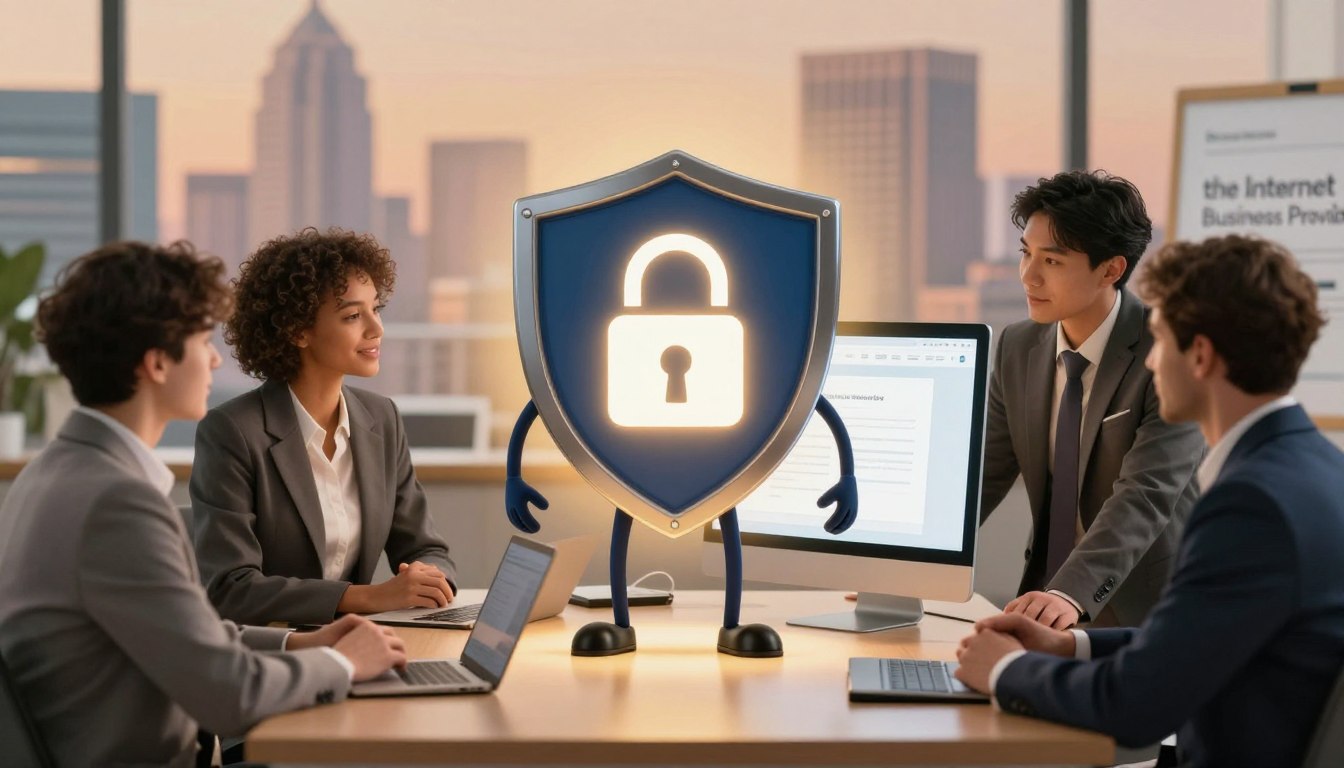
Imagine closing your shop for the evening. You double-check the deadbolt, set the alarm, and ensure every window is latched tight. You would never dream of leaving your front door wide open to strangers. Yet, many entrepreneurs leave their digital storefronts completely exposed to the elements.
In the virtual world, your online presence acts as your primary shop window. When you fail to implement proper Website Security Solutions for Small Business, you essentially invite hackers to browse your private data. This oversight often leads to those dreaded “Not Secure” browser warnings that instantly turn away potential customers.
Digital trust is the currency of the modern internet. If your visitors feel unsafe, they will leave before they ever see your products. Protecting your site is not just about technical maintenance; it is about building a foundation that keeps bad actors out and keeps your revenue growing.
Key Takeaways
- Physical locks protect your office, but digital defenses protect your online reputation.
- “Not Secure” warnings act as a red flag that scares off potential clients immediately.
- Proactive protection prevents costly data breaches and keeps customer information private.
- Building a digital trust foundation encourages repeat visits and higher conversion rates.
- Modern threats require a robust strategy to keep your virtual storefront safe 24/7.
The Physical Security Analogy: Why Your Digital Storefront Needs a Lock
Most business owners would never dream of leaving their physical inventory exposed to the street, yet they often do exactly that online. If you own a shop, you likely invest in high-quality deadbolts, alarm systems, and perhaps even security cameras. You understand that protecting your assets is a fundamental part of running a successful company.
Your website is essentially a digital storefront that operates twenty-four hours a day. While you sleep, your site remains open to the public, which unfortunately includes malicious actors. Automated bots constantly scan the internet, searching for easy entry points into unsecured websites. These digital intruders look for vulnerabilities just as a thief might check for an unlocked window or a loose door frame.
Treating your website with the same level of care as your physical property is the best way to reduce your risk profile. When you leave your digital doors unlocked, you invite unnecessary trouble that can lead to data loss or customer distrust. By implementing robust security measures, you ensure that your virtual space remains a safe environment for your clients.
The following table highlights how common physical security risks mirror the threats faced by your website every single day.
| Physical Security Risk | Digital Security Equivalent | Potential Impact |
|---|---|---|
| Unlocked Front Door | Outdated Software Plugins | Unauthorized Access |
| Broken Window | Weak Admin Passwords | Data Theft |
| Unmonitored Inventory | Lack of Security Audits | Hidden Malware |
| No Alarm System | No Real-Time Monitoring | Delayed Breach Response |
Taking these steps to secure your online presence is not just a technical requirement; it is a business necessity. Just as you would not leave your office keys under the mat, you should not leave your website data exposed. A proactive approach to your digital infrastructure keeps your brand reputation intact and your customers feeling safe.
Understanding the Digital Threat Landscape for Small Businesses
You might think your small shop is invisible to cybercriminals, but the reality is quite different. Many entrepreneurs assume that hackers only target large corporations with deep pockets. In truth, small business cybersecurity is a critical concern for every organization operating online today.
Cybercriminals often view smaller targets as low-hanging fruit because they frequently lack robust defenses. By ignoring these risks, you leave your customer data and brand reputation exposed to unnecessary danger. Prioritizing cyber security for small business operations is no longer optional; it is a fundamental requirement for survival.
Common Vulnerabilities in Modern Web Infrastructure
Modern websites rely on complex systems that can harbor hidden weaknesses. If these gaps remain unpatched, they provide an open invitation for unauthorized access. Common vulnerabilities that frequently compromise web infrastructure include:
- Outdated software and plugins that lack the latest security patches.
- Weak or reused administrative passwords that are easy to guess.
- Lack of encryption, which allows sensitive data to be intercepted during transit.
- Misconfigured server settings that expose private files to the public.
The Rise of Automated Cyber Attacks
The days of hackers manually picking targets are largely over. Today, the digital landscape is dominated by automated cyber attacks that scan the internet around the clock. These bots do not care about the size of your company or your industry.
Instead, they look for specific, known vulnerabilities across millions of websites simultaneously. When a bot finds a match, it executes a script to exploit the weakness in seconds. Implementing effective cyber security for small business protocols is the only way to stay ahead of these relentless, non-human threats.
Website Security Solutions for Small Business: The IBP Approach
Think of your website security as a living, breathing defense system rather than a static piece of software. At IBP, we believe that Website Security Solutions for Small Business should function like a dedicated security team. Instead of just setting up a digital lock and walking away, our approach involves constant vigilance.
Moving Beyond Basic Software Updates
Many owners rely solely on automated updates to keep their sites safe. While keeping your plugins current is important, it is rarely enough to stop a determined attacker. Standard website security software often fails to detect custom threats or zero-day vulnerabilities that haven’t been patched yet.
Our team monitors who comes in and out of your digital storefront in real-time. We look for behavioral anomalies that simple automated tools often miss. By moving beyond basic updates, we create a hardened environment that discourages bad actors before they can strike.
Why Proactive Defense Beats Reactive Patching
Reactive patching is like waiting for a break-in to occur before you decide to install a better alarm system. By the time you apply a patch, your sensitive data may have already been compromised. Proactive defense focuses on identifying risks before they become full-blown disasters.
This shift in mindset is essential for maintaining a reliable digital presence. When you stop playing catch-up with hackers, you gain the peace of mind needed to focus on growing your business. The following table highlights the core differences between these two security philosophies.
| Feature | Reactive Patching | Proactive Defense |
|---|---|---|
| Primary Focus | Fixing known bugs | Preventing new threats |
| Response Time | After a breach occurs | Real-time monitoring |
| Risk Level | High exposure | Minimal exposure |
| Business Impact | Potential downtime | Consistent reliability |
The Digital Bouncer: How Proactive Monitoring Works
Think of your website as a bustling shop where a digital bouncer stands guard to ensure only the right people get in. Instead of relying on outdated software that only reacts after a break-in, our approach treats security as a living, breathing team. By utilizing advanced website protection services, we monitor every visitor who approaches your digital storefront to keep your assets safe.

Identifying Suspicious Traffic Patterns
A digital bouncer does not just look at who is coming in; it analyzes how they behave. Our systems look for patterns that deviate from normal user activity, such as rapid-fire requests or attempts to access restricted files. When a visitor acts like a bot rather than a human, the system flags them immediately.
“Security is not a product, but a process that requires constant vigilance and a proactive mindset to stay ahead of evolving threats.”
By filtering out these suspicious patterns, we ensure that your server resources remain dedicated to your actual customers. This level of website protection services prevents unauthorized access before it can cause any real damage to your infrastructure.
Real-Time Threat Detection and Response
Detection is only half the battle; the real value lies in how quickly we respond to a threat. Our security suite acts as an immediate gatekeeper, blocking malicious IP addresses the moment they show signs of aggression. This real-time response ensures that your business stays online and secure without you needing to lift a finger.
| Feature | Manual Monitoring | Proactive Security |
|---|---|---|
| Response Time | Hours or Days | Milliseconds |
| Threat Detection | Reactive | Predictive |
| Business Impact | High Risk | High Stability |
Choosing professional website protection services means you have a team working around the clock to neutralize risks. We prioritize your peace of mind by maintaining a safe environment for every legitimate visitor who clicks on your site.
Why Google Penalizes Unsecured Websites
Ignoring your website’s security is a fast track to losing both your search engine rankings and your customers’ trust. Google has shifted its focus toward user safety, making it clear that a secure browsing experience is a top priority for every site on the web. When your site lacks proper encryption, you are essentially signaling to search engines that your platform is not a safe destination for users.
The Impact of HTTPS on Search Rankings
Google actively uses security as a ranking factor to ensure that users stay protected while browsing. By implementing a secure connection, you provide the search engine with vital google seo trust signals that verify your site’s integrity. Websites that fail to make the switch often find themselves pushed down in search results, as Google prioritizes encrypted pages over those that remain vulnerable.
Investing in professional https migration services is the most effective way to ensure your site meets these modern standards. This transition does more than just satisfy an algorithm; it creates a foundation for long-term growth. When your site is secure, you gain a competitive edge that helps you maintain visibility in an increasingly crowded digital marketplace.
How Browser Warnings Drive Customers Away
Beyond the technical impact on rankings, an unsecured site triggers alarming browser warnings that can destroy your brand’s reputation. When a potential customer sees a “Not Secure” label in their address bar, they often leave immediately to find a safer alternative. This behavior leads to a high bounce rate, which further signals to Google that your site is not providing a quality user experience.
These warnings act as a digital red flag, effectively turning away traffic that you worked hard to attract. Utilizing https migration services removes these intrusive alerts and replaces them with the reassuring “Green Padlock” icon. By securing your site, you transform your platform into a professional space that visitors can trust, ultimately strengthening your google seo trust signals and improving your overall conversion rates.
The Role of SSL Certificates in Building Customer Trust
Your website’s credibility often hinges on a tiny icon that most users recognize instantly. When visitors arrive at your digital storefront, they subconsciously scan for indicators that your platform is safe to use. Establishing this sense of security is essential for long-term customer relationships in an increasingly cautious digital landscape.

The Green Padlock as a Trust Signal
The presence of a secure connection is often represented by a small padlock icon in the browser address bar. This visual cue acts as a powerful trust signal that tells your audience their interaction with your site is protected. Without this indicator, many users will hesitate to share their contact details or complete a purchase.
Beyond building immediate rapport with your visitors, a proper ssl certificate installation serves as a significant factor for search engine visibility. Modern search algorithms prioritize secure sites, meaning that your security setup directly influences your ability to attract new traffic. Investing in this technology is a smart move for both your reputation and your search rankings.
Ensuring Data Encryption for User Privacy
While the visual icon is important, the underlying technology provides the real value. Robust website data encryption creates a secure tunnel between your server and the user’s browser. This process ensures that sensitive information, such as login credentials or payment details, remains unreadable to unauthorized third parties.
Implementing reliable website data encryption is a technical necessity for any business handling customer information. By prioritizing a professional ssl certificate installation, you demonstrate a clear commitment to protecting user privacy. Security is not just a technical requirement; it is the cornerstone of a professional and trustworthy brand.
The Hidden Costs of a Data Breach
A single security breach can dismantle years of hard work in just a few minutes. Many entrepreneurs focus on growth, yet they often overlook the vital necessity of small business website security. When a breach occurs, the immediate fallout is rarely just a technical glitch; it is a full-scale business crisis.
Financial Repercussions and Recovery Expenses
The price tag of a cyberattack extends far beyond the initial incident. Businesses must often account for forensic investigations, legal fees, and potential regulatory fines that can drain cash reserves quickly.
- System restoration costs to get your site back online.
- Legal and compliance fees resulting from data privacy violations.
- Lost revenue due to extended downtime and customer churn.
These expenses create a heavy burden that can threaten the very survival of your company. Investing in website data protection is not just a technical choice; it is a smart financial strategy to avoid these unpredictable costs.
The Long-Term Damage to Brand Reputation
Beyond the balance sheet, the erosion of customer trust is perhaps the most devastating consequence. Once a client feels their personal information is unsafe, they are unlikely to return to your platform.
Rebuilding a damaged reputation can take years of effort and significant marketing spend. By choosing affordable website security solutions from providers like IBP, you proactively shield your brand from these lasting scars. Protecting your digital storefront is an investment in the future stability and success of your company.
Managed Website Security vs. DIY Protection
When it comes to online safety, the gap between basic DIY tools and professional oversight is massive. Many business owners start with free options, but these often provide a false sense of security that leaves your data vulnerable to sophisticated attacks.
The Limitations of Free Security Plugins
Free security plugins are popular because they are easy to install and cost nothing upfront. However, they typically rely on static databases that only recognize known threats from the past. They often fail to detect new, emerging vulnerabilities that hackers use to bypass basic defenses.
Furthermore, these plugins require you to manage updates and configurations manually. If you miss a critical patch, your site remains exposed. Relying on these tools means you are essentially reacting to problems after they have already compromised your digital storefront.
The Value of Professional Internet Business Provider Security
Investing in managed website security shifts your strategy from reactive to proactive. By partnering with experts, you gain access to real-time monitoring and advanced threat intelligence that DIY solutions simply cannot match. Professionals ensure your site is hardened against the latest cyber threats before they ever reach your server.
The true value of internet business provider security lies in the peace of mind it offers. You get dedicated support teams who actively watch your traffic patterns and respond to incidents instantly. This level of oversight allows you to focus on growing your business while experts handle the complex task of keeping your digital assets safe.
Essential Online Security Measures for Modern Businesses
Modern businesses must prioritize robust online security measures to stay ahead of evolving cyber threats. Relying on a single firewall is no longer sufficient in an era where attackers use sophisticated automation to find gaps in your armor. By adopting a comprehensive strategy, you can ensure your company remains resilient against unauthorized access.
Implementing Multi-Layered Defense Strategies
A multi-layered defense strategy acts like a series of locked doors, ensuring that if one barrier fails, others remain to stop an intruder. This approach combines various tools, such as endpoint protection, encrypted communication protocols, and strict access controls. When these elements work in harmony, they create a formidable shield for your digital assets.
Building secure websites for businesses requires integrating these layers into your daily operations. You should consider the following components to strengthen your overall posture:
- Firewalls: Filtering incoming traffic to block malicious requests.
- Encryption: Protecting sensitive data during transmission.
- Access Control: Limiting administrative privileges to authorized personnel only.
The Importance of Regular Security Audits
Even the best systems can develop vulnerabilities over time as software updates or configuration changes occur. Conducting regular security audits is essential for digital business protection because it allows you to identify and patch weaknesses before they are exploited. Think of these audits as a health check-up for your digital infrastructure.
By performing these reviews consistently, you maintain secure websites for businesses that can withstand modern attack vectors. The following table outlines the key areas that require frequent assessment to ensure your defenses remain effective.
| Security Layer | Primary Function | Audit Frequency |
|---|---|---|
| Software Patching | Fixing known vulnerabilities | Weekly |
| Access Logs | Monitoring user activity | Monthly |
| Encryption Protocols | Securing data integrity | Quarterly |
| Backup Integrity | Ensuring recovery readiness | Monthly |
Implementing these online security measures is not a one-time task but a continuous commitment to safety. By staying vigilant and proactive, you provide your customers with the confidence they need to interact with your brand safely.
Preventing Malware Attacks and Data Loss
When it comes to your website, the difference between a minor hiccup and a total disaster is how you prepare. Resilience is not just about stopping hackers; it is about ensuring your business can bounce back quickly if something goes wrong. By focusing on smart recovery and defense, you keep your digital storefront open for customers.
Best Practices for Secure Website Backups
A reliable backup is your ultimate safety net. If your site is compromised, having a clean version ready to restore saves you from losing days or weeks of hard work. To ensure your data remains safe, follow these essential steps:
- Automate your backups: Schedule daily or weekly backups so you never have to remember to do it manually.
- Use off-site storage: Keep your backup files on a separate server or cloud service, not just on the same hosting account as your website.
- Test your restoration process: Periodically try to restore a backup to a staging site to ensure the files are not corrupted and the process works as expected.
Mitigating Risks Through Proactive Cyber Threat Mitigation
Staying ahead of hackers requires a forward-thinking mindset. Instead of waiting for an alert, you should actively look for weaknesses in your system. Effective cyber threat mitigation involves keeping all software, plugins, and themes updated to the latest versions to close known security gaps.
You should also implement strict access controls for your team. Limiting administrative privileges ensures that even if one account is compromised, the damage remains contained. By consistently monitoring your traffic and logs, you can spot unusual activity before it turns into a full-scale breach.
Finally, remember that preventing malware attacks is a continuous process rather than a one-time task. Educating your staff on how to spot phishing attempts and using strong, unique passwords adds another layer of protection. These proactive habits create a robust defense that keeps your business data secure and your reputation intact.
Conclusion
Your website serves as the primary gateway for your customers in a digital-first world. Protecting this space requires a shift from passive observation to active, managed defense strategies.
Investing in robust security measures does more than stop hackers. It signals to your audience that their data privacy remains your top priority. This commitment builds the kind of lasting trust that turns casual visitors into loyal brand advocates.
Search engines like Google favor sites that prioritize user safety. By maintaining a secure environment, you improve your visibility and reach more potential clients. A protected storefront is a competitive advantage that pays dividends in both reputation and search rankings.
Waiting for a breach to occur creates unnecessary risks for your business operations. Take control of your online presence by implementing proactive monitoring and professional security protocols today. Your digital storefront deserves the same level of care as your physical office.
Reach out to your IT team or a trusted provider to audit your current defenses. Start building a safer experience for your users right now. A secure website is the foundation of every successful modern business.