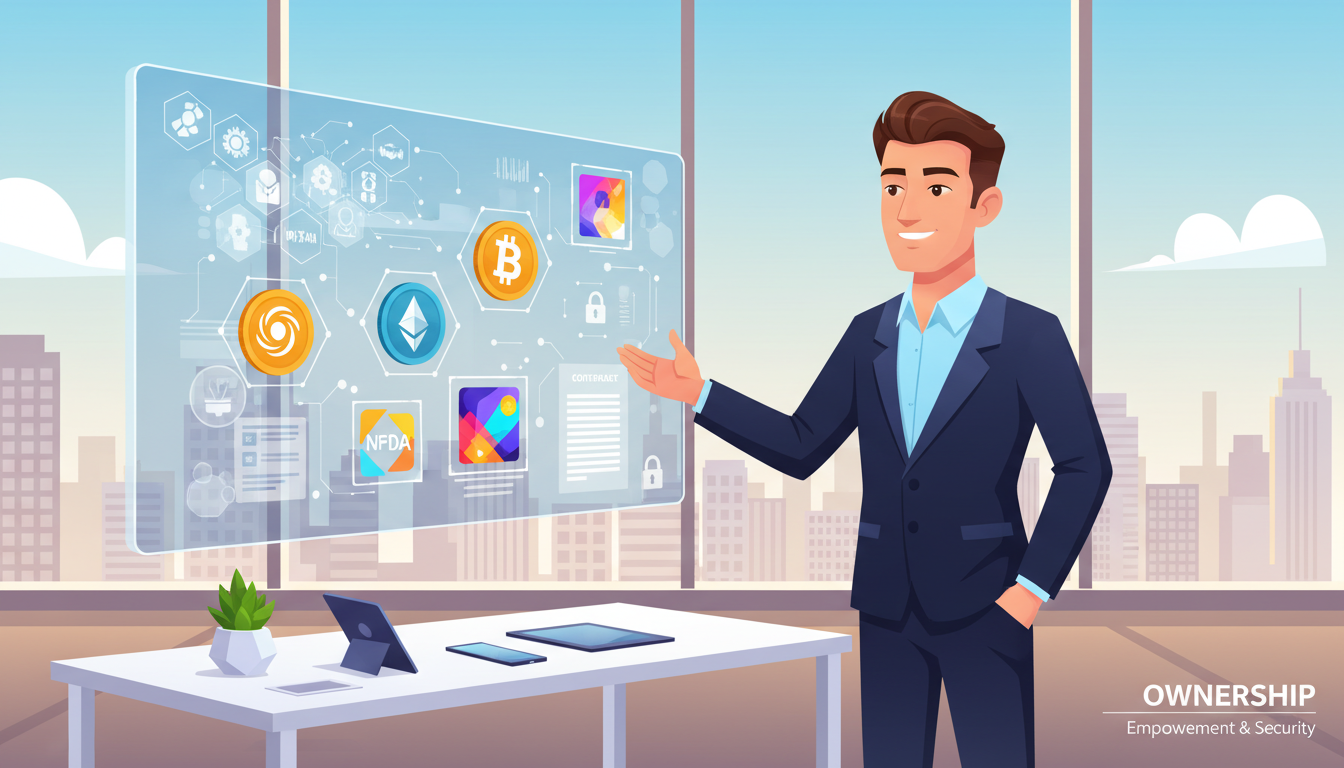
In 2021, a Facebook outage cost small businesses millions. It showed us: if you build on rented land, you’re at risk of eviction.
Many businesses use social media to reach customers. These tools are quick but fragile for your brand’s security. Without control, you risk losing everything with a platform update or policy change.
The Internet Business Provider (IBP) model changes the game. It focuses on Digital Asset Ownership. This move to a stable, private environment is like essential business insurance. It protects your traffic and data from outside changes.
True brand security means more than just social media. Having a permanent home for your business keeps you in control. It doesn’t matter what happens to third-party apps.
Key Takeaways
- Relying solely on social media creates significant financial risk for modern businesses.
- Platform outages can lead to immediate and permanent loss of customer access.
- Building on owned platforms acts as a vital form of business insurance.
- The IBP model provides a stable foundation for long-term growth and stability.
- Taking control of your online presence prevents eviction by third-party landlords.
The Digital Sharecropping Trap: Why Renting Your Brand is a Liability
Building your digital presence on someone else’s platform is like being a tenant. You can be kicked out at any time. This is called digital sharecropping. Businesses invest a lot in platforms they don’t own. These platforms offer quick access to many people but make your brand vulnerable to decisions you can’t control.
The Illusion of Platform Growth
Many think having lots of followers means their brand is strong. But these numbers can change fast if the platform changes its rules. Your audience can disappear overnight if the platform decides to.
Real growth means owning your assets, like your own website or email list. Relying only on social media means you’re renting your audience. This lack of control is the main weakness of any business model built on rented land.
The Hidden Costs of Algorithm Dependency
The biggest threat is algorithm risk. Platforms often change their rules to favor paid ads or certain types of content. This can cut off your organic reach instantly.
Your business can be held hostage by these changes. You might spend years trying to get more engagement, only to see your strategy fail with one update. This makes planning for the future very hard for those who ignore platform dependency.
Case Studies in Sudden Account Bans and Shutdowns
There are many stories of businesses disappearing when their platforms changed or shut down. For example, Vine creators lost their huge followings when Vine closed in 2017.
Many e-commerce sellers have also faced sudden bans on big marketplaces. These bans can happen due to automated errors. These businesses often can’t reach their customers, leading to huge losses. To avoid algorithm risk, it’s important to spread out your digital presence before a crisis hits.
Defining the Owned Perimeter: What You Actually Control
True digital freedom starts when you own your business foundation. An owned perimeter includes digital assets you control, no matter the platform changes. This focus shields your business from outside issues.
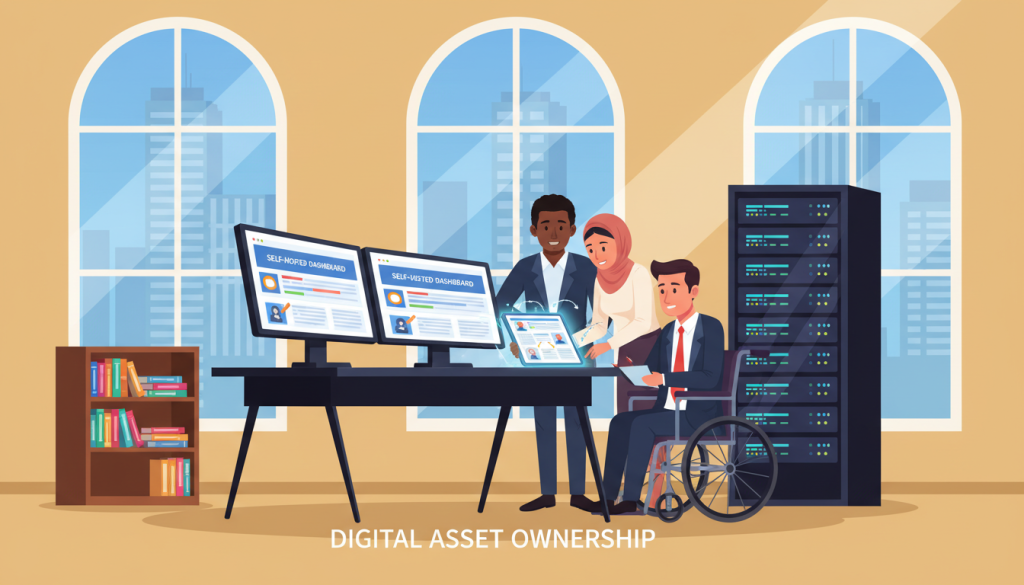
The Role of Self-Hosted Websites and Domains
Your domain name is like a digital address. Registering a domain gives you a permanent spot online, no matter the website hosting service. With self-hosted solutions, you control your site’s look, feel, and security.
Self-hosting lets you keep your brand’s look consistent. You avoid design changes or feature limits from others. This control is key for a strong brand.
Why Email Lists Are Your Most Valuable Digital Real Estate
Email lists are your true customer database ownership. You can talk directly to your audience without anyone else controlling your message. This direct connection is your most reliable digital asset.
Building an email list takes work, but it’s worth it. You can move your list to different services anytime. This flexibility is a sign of a strong business.
Proprietary Software vs. Third-Party SaaS
Dependence on third-party SaaS can be risky. If they change prices or shut down, your business might stop. Using your own tools or open-source software lets you run your business your way.
The table below shows the big differences between rented and owned digital tools:
| Asset Type | Control Level | Risk Factor |
|---|---|---|
| Self-Hosted Website | High | Low |
| Email Subscriber List | High | Low |
| Third-Party SaaS | Low | High |
| Social Media Profile | Minimal | Critical |
The Security vs. Convenience Trade-off
Business owners today face a tough choice. They must decide between quick, easy operations and full control. Drag-and-drop website builders and all-in-one marketing suites are fast but hide a big risk. They offer quick gains but can hurt your business in the long run.
The Hidden Price of “Easy-to-Use” Platforms
Platforms like Shopify, Wix, or Squarespace aim to make things simple. But, this simplicity comes with a hidden cost that many miss. Using these platforms means you’re building on rented land where rules can change anytime.
“Convenience is the enemy of progress when it comes to building a resilient, independent business foundation.”
Data Rights and the Loss of Sovereignty
True data sovereignty means you control your customer data fully. Many “easy-to-use” platforms limit your data access or use it in ways you can’t change. This makes it hard to move your business if the platform changes its rules or fees.
When you give up control over your data, you lose a key asset. You become limited by the platform’s rules. Keeping your data safe is not just a tech task; it’s a strategic necessity for lasting success.
Why Convenience Often Leads to Long-Term Vulnerability
Using simple interfaces can make you feel secure. But, it’s not true security. Even if the platform handles updates, you’re at risk. A big problem or policy change can stop your business fast.
This risk comes from choosing quick fixes over solid foundations. By picking convenience, you’re relying on someone else for your business’s future. A strong brand needs to control its digital space fully.
The Strategic Importance of Digital Asset Ownership
True Digital Asset Ownership means seeing your online world differently. Many think their social media or online stores are forever theirs. But, these are just rented spaces, subject to others’ decisions.

Moving Beyond Platform-Dependent Branding
Using only external platforms for your brand is risky. Your reach can disappear quickly if the platform changes. True brand independence means your audience can find you, no matter the platform.
Spread your presence to avoid policy shocks. Create a self-hosted site to control your brand. This keeps your voice clear and free from outside interference.
Establishing Legal and Technical Control Over Your Data
True data sovereignty is key for a secure business. Hosting your data lets you set its security and access. This stops others from using your customer data for their benefit.
Legal control is also essential. Make sure your terms and privacy policies are clear on your site. This protects your data from misuse by platforms.
The Difference Between Access and Ownership
Many confuse access with ownership. Access can be taken away at any time. Digital Asset Ownership means you control your data and infrastructure.
The table below shows the main differences between rented and owned infrastructure:
| Feature | Rented Infrastructure | Owned Infrastructure |
|---|---|---|
| Data Control | Limited by Platform | Full Sovereignty |
| Brand Longevity | Subject to Algorithm | Permanent Equity |
| Security | Third-Party Dependent | Internal Protocols |
| Exit Strategy | Difficult to Transfer | High Asset Valuation |
Knowing the difference is the first step to regaining your digital sovereignty. Focus on digital asset control to turn your online presence into a valuable asset.
The ROI of Equity: How Owned Assets Increase Business Valuation
Your business’s financial health is tied to its digital infrastructure. Many focus on quick traffic or social media. But, smart business owners see real value in what they control. By focusing on digital equity, you turn daily work into something you can sell.
Building a Sellable Business Asset
When selling a company, buyers want stability and control. A business that depends on others is risky. But, owning key systems means your business can stand alone.
To boost your value, focus on these key areas:
- Proprietary customer databases you manage yourself.
- Self-hosted web properties not affected by platform changes.
- Custom software or tools that give you an edge.
The Valuation Gap Between Rented and Owned Infrastructure
Companies that own their infrastructure have a big financial advantage. Rented assets come with hidden costs and risks. Owning your systems means better finances and more control.
| Feature | Rented Infrastructure | Owned Infrastructure |
|---|---|---|
| Control | Limited by Terms of Service | Full Legal and Technical Control |
| Valuation | Lower (High Platform Risk) | Higher (Asset-Based Value) |
| Sustainability | Dependent on Third-Party | Independent and Scalable |
Long-Term Capital Appreciation of Digital Property
Seeing your online presence as digital equity helps it grow over time. Like real estate, your digital assets gain value with data, brand, and loyalty. This growth is hard on rented platforms where the host benefits more.
Investing in your own digital infrastructure is smart. It’s not just about tech; it’s a financial strategy. By owning your business, your hard work becomes lasting wealth, not just temporary access. This makes your business more appealing and strong to investors.
Mitigating Algorithm Risk and Platform Dependency
Building on rented land means you’re always at the mercy of the landlord. Many businesses face disaster when a platform update changes their visibility overnight. This algorithm risk is a constant threat to companies without their own digital space.
Diversifying Your Digital Presence
Using just one social media channel is risky. If that platform changes or bans you, your business could vanish. You need to be on many channels to stay strong.
Being on different platforms protects you from any one provider’s changes. This way, your brand stays visible even if one platform limits your reach. Diversifying is key to digital security.
Creating a Direct-to-Consumer Communication Channel
Having your own customer database is the best way to secure your future. Capturing email addresses or phone numbers lets you talk directly to your audience. You don’t need to pay for ads to reach your loyal followers.
Direct communication lets you build strong relationships without outside interference. You control the message, timing, and how often you reach out. This freedom is vital for growth and stability.
Reducing Reliance on Third-Party Gatekeepers
Being too dependent on platforms can lead to a cycle of paying for access to your audience. Focus on owned assets like your website and mailing list. These are your main hubs, with social media as a secondary way to find new followers.
By focusing on your own assets, you take control of your business. You stop chasing trends and build a lasting, independent brand. The table below shows the main differences between these approaches.
| Feature | Rented Platforms | Owned Infrastructure |
|---|---|---|
| Audience Access | Subject to Algorithms | Direct and Unfiltered |
| Data Control | Platform-Owned | Business-Owned |
| Longevity | High Risk of Shutdown | High Stability |
| Cost Structure | Rising Ad Costs | Fixed Maintenance |
Future-Proofing Your Infrastructure with IBP Solutions
Starting to future-proof your business means taking control of your digital infrastructure. Relying on third-party platforms is like building on rented land. Switching to self-hosted solutions gives you the power to shield your business from outside threats.
The Role of a Dedicated Internet Business Provider
Working with a dedicated Internet Business Provider (IBP) changes how you manage your online presence. Unlike regular hosting, ibp solutions offer a custom approach to technical management. This partnership keeps your business free from the ups and downs of big, unclear platforms.
“The greatest risk to a modern business is the assumption that digital convenience is the same as digital security.”
Ensuring Hosting and Domain Stability
Reliable website hosting is key to your online success. Controlling your domain and hosting means you avoid being shut down without notice. This stability is key for keeping your customers happy and your brand security strong.
Professional providers focus on keeping your site up and running, even when it’s busy. By managing your assets yourself, you dodge the problems of shared hosting. This control is essential for growing your business over time.
Maintaining Data Integrity and Security Protocols
Your data is priceless, and it needs top-notch protection. Using ibp solutions to implement strong security protocols keeps your data safe. This is vital for keeping your brand security strong against cyber threats.
With self-hosted solutions, you can add custom security layers that many platforms can’t offer. Investing in quality website hosting and data management is a smart business move. It protects your digital infrastructure now, so you can grow in the future.
Navigating the Shift Toward Decentralized Control
We’re seeing a big change where decentralized ownership is now key for keeping assets safe. Companies are leaving behind old ways to guard their most precious ideas. This change is more than just a tech update; it’s a big shift in how we protect digital property rights online.
Understanding Digital Property Rights and Blockchain
Blockchain tech is leading to a new era of openness and safety. It uses a shared ledger to create clear blockchain ownership records that can’t be changed. This means crypto asset ownership is no longer controlled by one person.
“The future of the internet is not just about connectivity; it is about the ability to own, verify, and transfer value without intermediaries.”
Old databases can fail at one point, risking data safety. But, decentralized systems spread data across many places, making it hard to tamper with. This is key for businesses that value long-term safety over quick fixes.
The Role of Token Ownership and Verification
Tokens and smart contracts are changing how companies manage their digital presence. With token ownership, a company can prove it owns certain assets right away. This makes ownership verification easier, cutting down on legal and paperwork costs.
Also, nft ownership lets digital items, like software or brands, be uniquely identified. By putting rules in the code, companies keep their assets safe, no matter where they are. Here’s a table showing the main differences between these models:
| Feature | Traditional Model | Decentralized Model |
|---|---|---|
| Control | Platform-Dependent | Self-Sovereign |
| Verification | Centralized Authority | Cryptographic Proof |
| Security | Single Point of Failure | Distributed Ledger |
| Asset Status | Rented Access | True Ownership |
Preparing for a Decentralized Web Future
To get ready for this future, companies need to take action on digital asset control. Start by checking your current setup to see which assets can move to decentralized systems. This helps avoid risks from relying too much on one place or sudden rule changes.
Using these tools now can make your business a leader in the digital world. As the web keeps changing, those who use decentralized systems will have a big edge. Security and autonomy are key for success in the digital world of tomorrow.
Conclusion
Building a strong business means owning your digital space, not renting it. Relying on others can lead to policy changes and account issues. True safety comes from having control over your own setup.
Having your own digital assets is like having insurance for your business. By using your own domains and direct channels, you keep your brand safe. This makes your online presence valuable and permanent.
Investors and partners look for businesses that own their digital space. Owning your digital assets boosts your value and growth. Start checking your setup to find areas to take back control.
Move your key operations to your own systems. Your business needs a solid base, not just ease. Talk to your tech team to start making your digital space fully yours.