Think of your website as a physical storefront. Every negative comment acts like a Digital Bouncer, standing at the door and pushing a potential customer away just as they reach for their wallet. It is not necessarily a pricing issue; it is a Digital Trust problem.
For ecommerce store owners and marketing managers, this phenomenon is a silent killer of growth. You might see high traffic, but your conversion rates remain stubbornly low. Digital entrepreneurs often struggle to identify why their sales funnels leak revenue at the final stage.
When shoppers encounter negative feedback, they lose confidence in the transaction. This hesitation leads directly to Cart Abandonment due to Bad Reviews. Understanding how your online reputation impacts the bottom line is the first step toward reclaiming your lost sales.
Key Takeaways
- Negative feedback acts as a barrier that stops customers from completing their purchases.
- High traffic volume does not guarantee success if your online reputation is damaged.
- Trust is the primary currency in modern ecommerce transactions.
- Marketing managers must prioritize reputation management to improve conversion rates.
- Addressing customer concerns early prevents the loss of potential revenue at checkout.
The Anatomy of the Moment of Doubt
Modern consumer behavior analytics reveals a fascinating, yet frustrating, pattern of last-minute hesitation. Even when a shopper has spent time selecting items and filling their cart, they often stop just before the final transaction. This specific phase is known as the “Moment of Doubt,” a critical juncture where the desire to purchase clashes with the fear of making a poor decision.
Why Customers Pause at the Finish Line
The most common trigger for this pause is the final sanity check. A customer will often open a new browser tab to search for your brand name followed by the word “reviews.” They are looking for external validation to confirm that their investment is safe and that your company is reliable.
If they encounter negative feedback or a lack of recent, positive testimonials, the transaction often ends abruptly. This behavior is a defensive mechanism designed to protect the buyer from potential disappointment or financial loss. By understanding these patterns through consumer behavior analytics, brands can better anticipate where friction occurs.
The Psychology of the Final Sanity Check
At this stage, the customer is not just buying a product; they are buying peace of mind. The psychological need for social proof becomes the primary driver of their actions. If the digital environment does not provide immediate reassurance, the perceived risk of the purchase suddenly outweighs the reward.
Businesses must recognize that this hesitation is a natural part of the modern shopping experience. Providing clear, accessible trust signals at the checkout stage can help mitigate this anxiety. The following table outlines the transition from intent to the final decision-making process.
| Customer Stage | Primary Motivation | Risk Factor |
|---|---|---|
| Product Discovery | Interest and Desire | Low |
| Cart Addition | Intent to Purchase | Moderate |
| Final Sanity Check | Validation and Trust | High |
| Checkout Completion | Satisfaction | Minimal |
The Statistical Reality of Cart Abandonment due to Bad Reviews
The digital marketplace operates on a foundation of trust that is easily shaken by negative feedback. Current online shopping trends indicate that consumers no longer rely solely on brand marketing to make their final decisions. Instead, they turn to the collective voice of the crowd to validate their potential purchases.
Analyzing the 95 Percent Rule
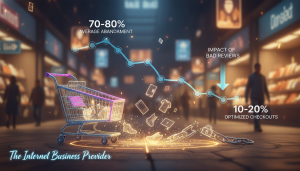
Data consistently shows that nearly 95% of shoppers read reviews before committing to a transaction. This behavior has become a standard part of the modern buyer’s journey. Ignoring this reality often leads to significant Cart Abandonment due to Bad Reviews, as shoppers seek reassurance before they click the buy button.
When a potential customer finds no social proof, they often hesitate. If they find negative sentiment, that hesitation turns into an immediate exit. This online shopping trends shift proves that reputation is now a primary currency in e-commerce.
Quantifying the Impact of First-Page Negative Feedback
The visibility of feedback plays a critical role in conversion rates. Research suggests that a single negative review appearing on the first page of search results can drive away up to 22% of prospective customers. This is a staggering loss for any business relying on organic traffic.
When a shopper encounters a critical review at the start of their research, the perceived risk of the purchase spikes. This specific type of Cart Abandonment due to Bad Reviews happens because the negative information acts as a psychological barrier. Businesses must recognize that the first page of search results is essentially their digital storefront window.
Understanding the Customer Trust Deficit
A customer trust deficit can turn a loyal prospect into a lost sale in seconds. This phenomenon occurs when the perceived uncertainty of a transaction outweighs the desire for the product itself. When shoppers feel exposed to potential disappointment, they instinctively pull back from the final commitment.
At this critical juncture, the buyer performs a mental calculation. They weigh the potential reward of owning the item against the risk of a poor experience. If negative feedback or a lack of verification exists, the scale tips toward abandonment.
When Risk Outweighs Reward
The decision to purchase is rarely purely logical. It is heavily influenced by the emotional safety a brand provides. When a user encounters warning signs, the perceived risk grows exponentially.
“Trust is the glue of life. It’s the most essential ingredient in effective communication. It’s the foundational principle that holds all relationships.”
Without a clear sense of security, the shopper chooses to protect their resources rather than complete the order. This hesitation is the primary driver of cart abandonment in modern e-commerce. It is not a lack of interest, but a lack of confidence in the outcome.
The Role of Social Proof as a Transactional Lubricant
Social proof acts as the ultimate lubricant for a transaction. It smooths the path to checkout by validating the choices of others. When a shopper sees authentic, positive feedback, the social proof impact effectively lowers their defensive barriers.
This validation serves as a signal that the risk is minimal and the reward is guaranteed. By showcasing satisfied customers, businesses provide the necessary reassurance to finalize the sale. Without this evidence, the friction of doubt often proves too heavy to overcome.
The Hidden Cost of Unmonitored Feedback Loops
When businesses fail to track the pulse of their audience, they inadvertently allow small cracks in their reputation to become structural failures. Many companies treat reviews as static data points rather than a living, breathing conversation. By neglecting customer feedback analysis, you leave your brand vulnerable to a slow decline in market authority.

How Negative Sentiment Erodes Brand Equity
Brand equity is built on the foundation of perceived reliability and trust. When negative sentiment remains unmonitored, it acts as a silent tax on your future growth. Potential customers often interpret a lack of response to criticism as a sign of indifference or, worse, a lack of accountability.
Over time, this perception hardens into a reputation that is difficult to reverse. Consistent neglect signals to the market that your organization does not value the user experience. This erosion is rarely sudden; it is a gradual process that quietly steers traffic toward your competitors.
“A brand is no longer what we tell the consumer it is—it is what consumers tell each other it is.”
Differentiating Between Constructive Criticism and Revenue Killers
Effective customer review management requires the ability to distinguish between helpful insights and toxic noise. Not every negative comment is a threat, and some can actually serve as a roadmap for product improvement. You must categorize feedback to determine which issues require immediate intervention.
Consider the following framework to categorize incoming feedback:
- Constructive Criticism: Specific, actionable feedback regarding product features or shipping times that allows for operational growth.
- Revenue Killers: Vague, inflammatory, or repetitive attacks that target brand integrity without offering a path to resolution.
Revenue killers demand a swift, strategic response to prevent them from influencing the purchasing decisions of others. By mastering the art of customer review management, you transform potential liabilities into opportunities for demonstrating transparency and commitment to your community.
Bridging the Gap Between Traffic and Conversion
Driving traffic to your website is only half the battle in modern e-commerce. Many companies pour significant budgets into digital marketing strategies, successfully capturing attention and driving high-intent visitors to their product pages. However, the transition from a visitor to a paying customer is often where the process breaks down.
Why Marketing Brings Them to the Door
Effective advertising campaigns are designed to solve specific customer pain points. When your messaging resonates, it creates a sense of urgency and desire that compels a user to click through to your store. This initial engagement is a testament to your brand’s ability to reach the right audience at the right time.
You have successfully built a bridge between a consumer’s need and your solution. At this stage, the customer is primed to purchase, having been nurtured by your outreach efforts. Yet, even with perfect targeting, the final step of the transaction remains vulnerable to external perceptions.
The Reputation Barrier That Locks the Door from the Inside
The reality of the modern buyer’s journey is that your marketing brings them to the door; your reputation is what locks it from the inside. Even if your ads are flawless, a single glance at negative reviews can halt a purchase instantly. This creates a silent, invisible barrier that prevents your hard-earned traffic from converting into revenue.
Customers often perform a final sanity check before entering their credit card information. If they encounter a trail of unresolved complaints or poor feedback, their trust evaporates immediately. Protecting your brand equity is just as vital as the initial acquisition of that traffic.
To maximize your return on investment, you must ensure that your public image supports your promotional claims. By aligning your reputation management with your sales funnel, you remove the friction that causes potential buyers to abandon their carts. Consistency between your promises and your customer feedback is the key to unlocking higher conversion rates.
Proactive Reputation Strategy for E-commerce Success
A truly effective digital strategy requires you to stop putting out fires and start building a fireproof brand. Many online retailers fail because they treat their public image as an afterthought rather than a core business pillar. By adopting a proactive reputation strategy, you can anticipate customer concerns before they escalate into abandoned carts.

Moving Beyond Reactive Damage Control
Most businesses only pay attention to their feedback when a crisis hits. This reactive approach leaves your revenue vulnerable to every negative comment that appears on your product pages. Instead, you should focus on creating a positive environment that naturally discourages complaints.
Effective online reputation management involves identifying potential friction points in the customer journey. When you address these issues early, you demonstrate that your brand values transparency and quality. Consider these steps to shift your focus:
- Analyze common customer complaints to identify recurring product or service flaws.
- Proactively reach out to customers after delivery to ensure satisfaction.
- Highlight positive testimonials prominently to build immediate trust with new visitors.
Implementing Systematic Review Monitoring
Consistency is the backbone of a healthy digital presence. You cannot afford to ignore your feedback channels for days or weeks at a time. Implementing review monitoring allows your team to catch negative sentiment the moment it surfaces.
By utilizing automated tools, you can track mentions across multiple platforms in real-time. This online reputation management practice ensures that no customer concern goes unanswered. When you respond quickly and professionally, you often turn a frustrated shopper into a loyal advocate.
Ultimately, review monitoring is not just about damage control; it is about gathering data to improve your operations. A proactive reputation strategy turns every piece of feedback into a valuable asset for your business growth.
The Internet Business Provider Approach to Digital Trust
The Internet Business Provider methodology transforms how brands manage their online reputation in a competitive market. By shifting from a defensive posture to a proactive strategy, companies can stabilize their conversion rates effectively. This approach focuses on improving online reputation by creating a consistent narrative that resonates with modern shoppers.
Building a Digital Trust Foundation
A robust digital foundation relies on the systematic collection and display of authentic customer experiences. When businesses prioritize transparency, they create a safety net that catches potential customers before they abandon their carts. This foundation acts as a buffer against the volatility of isolated negative reviews.
By integrating feedback loops directly into the user journey, brands can identify pain points before they escalate. This proactive stance is essential for improving online reputation and maintaining long-term customer loyalty. The following table highlights the core differences between traditional reactive management and our systematic approach.
| Strategy Element | Reactive Approach | Proactive Foundation |
|---|---|---|
| Feedback Handling | Crisis response only | Continuous monitoring |
| Trust Signals | Hidden or ignored | Prominently displayed |
| Brand Sentiment | Volatile and risky | Stable and authoritative |
Burying Negative Feedback with Authentic Authority
Negative feedback often acts as a “revenue killer” that stops sales in their tracks. Our strategy involves diluting the impact of these outliers by generating a high volume of authentic, positive authority across the web. By highlighting genuine success stories, we effectively push negative sentiment out of the primary view of potential buyers.
“Trust is the currency of the digital age; without it, even the most compelling product will fail to convert.”
This process of improving online reputation is not about hiding the truth, but about providing a complete picture of the brand experience. When customers see a consistent stream of positive interactions, they feel more confident in their purchase decisions. Ultimately, this creates a resilient brand image that withstands the occasional negative review.
Optimizing Your Digital Footprint for Maximum Credibility
Your digital footprint serves as the silent ambassador for your brand’s reputation. In the competitive landscape of online retail, digital footprint optimization is no longer optional; it is a fundamental requirement for survival. By actively shaping how your brand appears across search engines and social platforms, you build a foundation of trust that encourages hesitant shoppers to complete their purchases.

Leveraging Positive Sentiment Analysis
To truly understand your audience, you must look beyond simple star ratings. Utilizing review sentiment analysis allows your team to categorize customer feedback into actionable insights. This process helps identify the specific features or service elements that delight your most loyal buyers.
When you isolate these positive trends, you can amplify them across your marketing channels. By focusing on what you do best, you reinforce your e-commerce credibility and provide potential customers with the social proof they need to feel secure. This data-driven approach ensures that your brand narrative remains consistent and persuasive.
“Trust is the currency of the digital age; without it, even the most innovative products will fail to reach their full market potential.”
Turning Customer Feedback into Conversion Assets
Raw feedback is merely data until you transform it into a strategic asset. You can repurpose glowing testimonials into high-impact website banners, email marketing campaigns, or social media highlights. This strategy turns satisfied customers into your most effective sales force.
The following table illustrates how to shift from passive monitoring to active asset creation:
| Feedback Type | Passive Approach | Conversion Asset |
|---|---|---|
| Product Praise | Ignore or simple reply | Featured homepage testimonial |
| Service Success | Internal record keeping | Case study or video highlight |
| Feature Request | Backlog entry | “You asked, we listened” campaign |
By systematically applying review sentiment analysis, you create a self-sustaining cycle of growth. This cycle not only boosts your e-commerce credibility but also minimizes the risk of cart abandonment. Consistent digital footprint optimization ensures that every touchpoint reinforces your commitment to quality and customer satisfaction.
Advanced Tactics for E-commerce Conversion Rate Optimization
To truly master e-commerce conversion rate optimization, you must treat every visitor interaction as a test of your brand’s credibility. Modern shoppers are highly perceptive, often deciding within seconds whether a site is secure enough for their financial data. Implementing a robust conversion rate optimization (cro) strategy requires moving beyond simple layout tweaks to address the underlying psychological barriers that prevent sales.
Aligning User Experience with Reputation Management
The digital storefront is your most powerful tool for building long-term authority. When your user interface reflects the quality of your reviews, you create a seamless narrative of reliability. Design choices should never exist in a vacuum; they must actively reinforce the positive feedback your customers have already provided.
Consider these essential strategies for integrating reputation into your design:
- Place verified customer testimonials directly adjacent to “Add to Cart” buttons.
- Use consistent ecommerce trust signals, such as security badges and return policy links, throughout the checkout flow.
- Ensure that star ratings are visible on product pages to provide immediate social validation.
Effective website usability testing allows you to observe how real users interact with these trust elements. By identifying where hesitation occurs, you can refine your layout to minimize friction. This proactive approach ensures that your site does not just look professional, but functions as a high-converting asset.
Testing the Impact of Trust Signals on Abandonment Rates
Distinguishing between bounce rate vs. abandonment rate is critical for diagnosing where your sales funnel is leaking revenue. A high bounce rate suggests that your landing page fails to meet initial expectations, while abandonment indicates a failure to close the deal at the final hurdle. By testing specific trust signals, you can pinpoint exactly which elements encourage users to complete their purchase.
“Trust is the currency of the digital economy; without it, even the most optimized checkout process will fail to convert.”
To measure success, implement A/B testing on your checkout pages to see how different trust indicators influence behavior. You might find that displaying a “Money-Back Guarantee” badge significantly reduces cart abandonment compared to a standard security icon. Data-driven adjustments are the hallmark of a successful e-commerce strategy, ensuring that every change is backed by measurable performance improvements.
Conclusion
Your online reputation acts as the final gatekeeper for every potential sale. When shoppers encounter negative feedback at the point of purchase, they often abandon their carts to seek safer alternatives. Taking control of your digital narrative ensures that your brand remains the primary choice for your target audience.
Proactive management transforms how customers perceive your business during their most critical decision-making moments. You can shift the conversation by highlighting authentic experiences and addressing concerns with speed and transparency. This strategy builds the necessary trust to keep shoppers moving through your checkout process.
Do not let a few loud voices dictate your bottom line. Partner with Internet Business Provider to plug the leaks in your sales funnel and turn your reputation into your strongest closing tool. Start protecting your revenue today by aligning your digital footprint with the high standards your customers expect.