You have spent thousands of dollars optimizing your ad spend and perfecting your product pages. A customer lands on your site, adds an item to their shopping bag, and moves to checkout. Success is just seconds away.
Then, they ghost. While most ecommerce brands blame unexpected shipping costs, the real issue is often a sudden lack of trust.
This abandonment happens when customers perform a final reputation check. If they find negative feedback elsewhere, your sales vanish instantly.
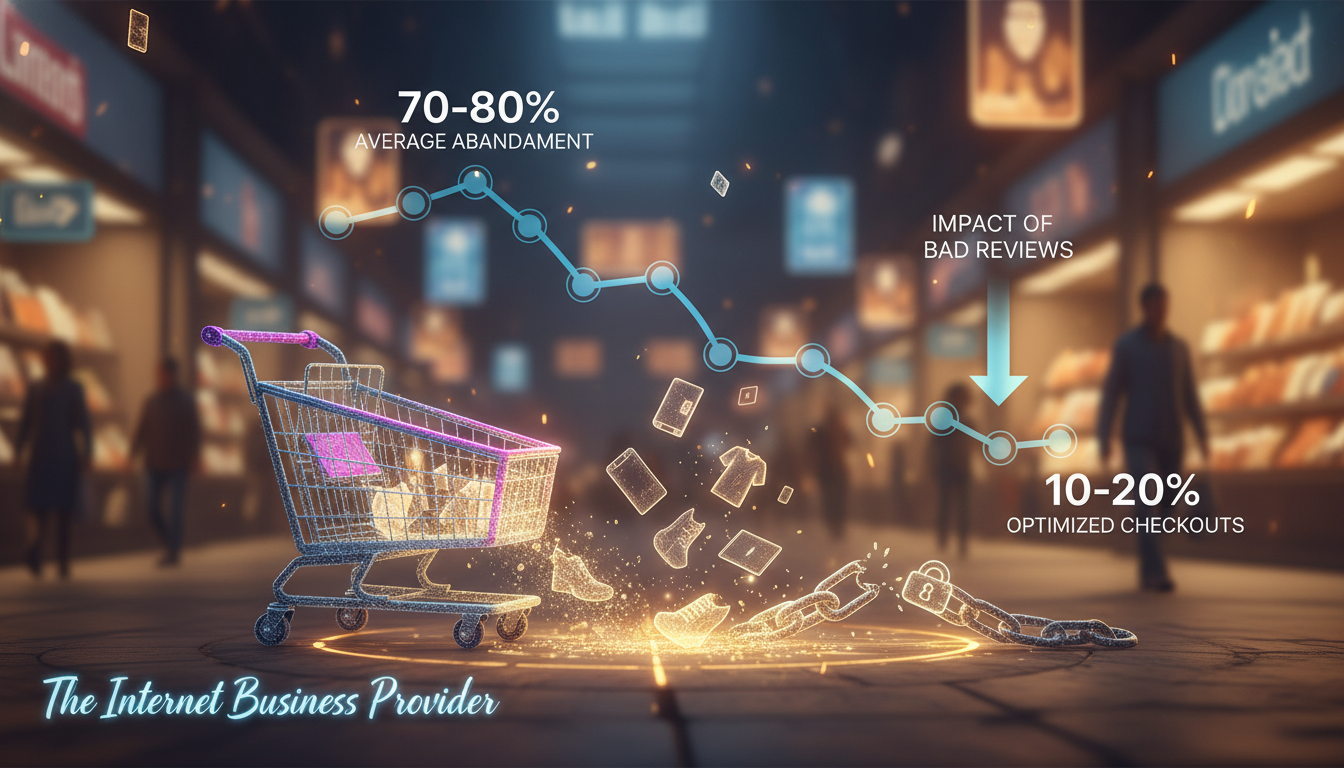
According to the Baymard Institute, the average cart rate of exit is 70%. This creates a massive financial hole totaling $18 billion annually across the industry.
Every empty basket represents a person who was ready to buy but got scared. Stop treating this as a technical glitch and see it as a trust gap in your shopping experience.
Successful ecommerce leaders know that customers need social proof to finalize their decision. This article reveals exactly how to fix that leak.
Key Takeaways
- Trust serves as the primary driver for final purchase decisions.
- Average industry abandonment rates reach 70% globally.
- Reputation checks usually occur at the micro-moment of doubt.
- Online stores lose over $18 billion annually due to trust issues.
- Review management is a vital tool for protecting your profit.
- Technical fixes cannot replace the need for strong social proof.
The $18 Billion Problem Hiding in Your Checkout Process
While many retailers focus on traffic, a silent profitability crisis is draining billions from the global ecommerce market. Modern businesses collectively lose approximately $18 billion annually due to cart abandonment. This staggering figure proves that high exit rates are not just a conversion metric; they are a catastrophic revenue leak.
Research shows that the average abandonment rate across the industry hovers around 70%. In practical terms, for every ten customers who show intent to buy, seven will leave before completing the checkout process. Some tracked ecommerce sites even report a median of 94.5 abandoned checkouts every single day.
Most businesses attempt to fix this by simplifying forms or speeding up their websites. While helpful, these changes only treat the symptoms of a much deeper lack of trust. The checkout stage is a moment of revelation where hidden customer doubts often rise to the surface.
The gap between “add to cart” and “confirm purchase” is where brand reputation either wins the sale or loses the customer forever.
Failures at this stage create significant hidden costs for your organization. These include wasted advertising spend and the total loss of potential customer lifetime value. High cart abandonment rates often signal that social proof is missing when shoppers need it most.
| Metric Type | Industry Average | Economic Impact |
|---|---|---|
| Annual Global Loss | $18 Billion | Profitability Crisis |
| Standard Exit Rate | 70% | Lost Customer Intent |
| Daily Median Leaks | 94.5 Carts | Operational Inefficiency |
Addressing cart abandonment requires a shift from technical fixes to psychological reassurance. Leading ecommerce firms now realize that protecting your revenue depends on visible, credible trust signals. Without these, you risk losing substantial revenue to competitors who prioritize their online reputation.
The Micro-Moment of Doubt: What Really Happens at Checkout
A shopper standing at the digital finish line often pauses to ask a critical question: “Can I really trust this brand?” This sudden hesitation occurs at the final stage of the checkout. While many experts blame high shipping fees for a lost sale, the truth is often more complex.
A deep psychological friction arises right when the user is ready to buy. This micro-moment of doubt is where your carefully designed funnel meets the harsh reality of external opinions. If the consumer feels any uncertainty, they will stop the process immediately to seek reassurance elsewhere.
The Wallet-Out, Phone-Up Moment
Imagine a customer with their credit card already in hand, ready to complete the purchase. Suddenly, they experience a final flash of doubt that triggers a validation reflex. They pause, set their card down, and reach for their smartphone to perform a quick search.
This “Wallet-Out, Phone-Up” moment is a critical vulnerability for your business. Shoppers are literally seconds away from converting, but they feel the need for one last safety check. This behavior has become a standard part of the modern shopping journey for almost every category.
Research indicates that 75-85% of consumers consistently check reviews before placing an order. This percentage climbs even higher among digital natives aged 18-34.
Why Customers Leave Your Site to Validate Their Purchase
Many customers instinctively leave your site because they do not fully trust internal testimonials. They perceive on-site reviews as curated or biased marketing messages. To find the truth, they head to Google or social media to see what real people are saying.
They are looking for recent and authentic experiences from actual buyers. If they find unaddressed negative feedback or a lack of recent activity, they will abandon the cart. The need for unbiased confirmation is stronger than the desire for the product itself.
The Third-Party Search Reflex
This automatic behavior pattern is known as the third-party search reflex. It is a protective strategy shoppers use to avoid bad online experiences. They have been trained by past disappointments to verify a brand reputation before clicking the final button.
| Shopper Category | Verification Rate | Primary Platform |
|---|---|---|
| Digital Natives | 85% | Social Media |
| General Consumers | 75% | Google Search |
| High-Ticket Buyers | 90%+ | Third-Party Forums |
This invisible step in the shopping cycle happens when a user opens a new tab to research your brand name. Your technical process might be perfect, but the sale fails if the external reputation is poor. This reflex determines whether your cart conversion rate stays healthy or drops significantly.
Ultimately, customers want to feel smart about their decision. They use these external searches to confirm that your company delivers on its promises. When they find positive proof, they return to the checkout and finish the transaction with total confidence.
How Bad Reviews Cause Cart Abandonment
Understanding the exact moment when a poor reputation stops a sale reveals why stores lose money. This sequence turns interested browsers into lost leads within seconds. Retailers must recognize that marketing cannot fix a broken reputation during the final steps of the buyer journey.
The Final Point of Friction
Many shoppers perform a quick validation search right before they click the final button. They want to ensure your business is reliable. Finding a recent negative review during this phase creates The Final Point of Friction that stops the momentum of the sale.
This feedback introduces immediate doubt that was not present during the initial browsing experience. Even if your product descriptions are perfect, external complaints act as a warning sign. These warnings force a psychological pause that often leads to total abandonment.
When Trust Collapses at the Payment Stage
The payment step is the most sensitive part of the online checkout process. Research indicates that 25% of customers do not trust websites with their financial details. This anxiety grows when they see unresolved complaints on Google or Facebook.
When customers see issues regarding service or shipping, their commitment to the purchase evaporates. Unaddressed negative feedback signals that the business does not care about satisfaction. This perceived risk makes the abandonment of the cart feel like the only safe option.
The Competitive Alternative Search
Bad reviews do more than just stop a current transaction; they trigger a competitive search. When trust breaks, shoppers immediately look for rivals with better reputations. They seek a similar purchase from a brand that offers more social proof.
A single bad review can override hours of marketing effort. It serves as an external voice that contradicts your brand narrative at the most risk-averse moment. This friction often results in permanent abandonment as the buyer moves to a more “reliable” competitor.
| Shopper Phase | Positive Review Impact | Negative Review Impact |
|---|---|---|
| Decision Stage | Validates the choice to buy | Triggers cart abandonment |
| Payment Step | Builds trust and security | Increases fear of financial loss |
| Brand Loyalty | Encourages final checkout | Leads to rival site comparison |
The Cost of Silence: Why Missing Reviews Kill Sales
In the digital marketplace, silence isn’t golden; it is an expensive oversight that triggers immediate doubt. When a customer finds no feedback, they rarely assume everything is perfect. Instead, they suspect the product is too new or that negative feedback has been hidden.
This lack of communication directly leads to cart abandonment. It happens right when the shopper has their wallet out and is ready to buy. If they cannot validate their choice through others, they will leave the shopping cart behind to find a more “proven” seller.
Research shows that the absence of feedback is just as damaging as a negative comment. Silence creates a vacuum that potential buyers fill with their own anxieties and suspicions. Every blank review section is a missed opportunity to secure a transaction.
Zero Reviews Equal Zero Credibility
Modern shoppers have been trained to expect transparent feedback at every turn. Research shows that zero reviews equal zero credibility in today’s e-commerce landscape. Without these signals, the abandonment rate climbs as the “third-party search reflex” kicks in.
Data indicates that 79% of people trust recommendations from close friends and family above all else. They also highly value comments found directly on brand pages to verify a purchase. If your shopping cart process lacks these trust signals, you lose control of your own reputation narrative.

The absence of reviews signals to the buyer that the business is either too small to trust or hasn’t been tested. This forces the buyer to look elsewhere for validation, often leading them straight to a competitor. In a review-driven culture, being invisible is the same as being unreliable.
Unaddressed One-Star Ratings Destroy Social Proof
While zero reviews are problematic, unaddressed one-star ratings are catastrophic for your sales. A single negative review left without a reply signals that the business is unaccountable or simply does not care. It creates a permanent record of failure that works against your marketing efforts 24/7.
Every ignored complaint becomes a sales-killing asset during the final checkout moment. Customers perceive this lack of response as a major red flag that destroys trust instantly. Responding is not just about one customer; it is about proving your reliability to every future visitor.
Modern consumers have been trained to expect transparent customer feedback—the absence of this expected social proof triggers the same psychological red flags as overtly negative information.
This credibility vacuum is a major cause of abandonment. When users encounter negativity without any context or resolution, they exit the shopping cart to avoid a potential headache. You must manage your reputation proactively to protect your final sales numbers.
| Review Status | Consumer Perception | Impact on Conversion |
|---|---|---|
| Zero Reviews | High Risk / Unproven | High Abandonment |
| Unaddressed 1-Star | Unaccountable / Poor Service | Destroyed Sales |
| Addressed 1-Star | Responsive / Professional | Restored Confidence |
| Positive Reviews | Validated / Trustworthy | Maximum Revenue |
The Data Behind Review-Driven Cart Abandonment
Quantifying the link between reputation and revenue reveals a significant risk for online retailers today. These numbers provide the evidence needed to understand why a specific abandonment rate might be climbing. By looking at hard data, we see that customer feedback is no longer just a “nice-to-have” feature for a website.
Over 90% of Consumers Read Reviews Before Buying
Reading feedback has become a mandatory part of the journey for modern shoppers. In fact, over 90% of people consult online reviews before they ever decide to click the final buy button. This behavior is not just a trend; it is a fundamental shift in how people browse the web.
Among digital natives aged 18 to 34, the consistency is even more striking. Roughly 85% of these younger shoppers check reviews for every single order they place. For these consumers, social proof acts as a primary filter for conversion and trust.
“Reviews are the new currency of the digital marketplace, serving as the primary bridge between interest and action.”
A Single Star Drop Decreases Conversions by Double Digits
The mathematical relationship between your rating and your bank account is direct. Research indicates that even a single star drop in your average rating can decrease your conversion levels by double digits. In the competitive world of ecommerce, a small dip in reputation can lead to a massive spike in shopping cart abandonment.
On the positive side, simply having reviews visible on a product page creates a measurable lift. Data from Yotpo shows that reviews can increase the purchase rate by an average of 3.5%. This proof directly impacts whether a user completes their transaction or disappears forever.
The 70% Cart Abandonment Reality
The current average for shopping cart abandonment across all industries sits at approximately 70%. This staggering abandonment rate often occurs during the final validation search. When a customer leaves your site to check your reputation, they are at their most vulnerable point in the funnel.
If those potential buyers discover negative feedback or a total lack of reviews, cart abandonment becomes the default choice. For any ecommerce brand, ignoring these statistics is a recipe for lost growth. You must treat reputation management as a core part of shopping cart abandonment prevention rather than just a marketing task.
Every decimal point in your star rating represents thousands of dollars in potential revenue protection or loss. High cart abandonment is rarely just a technical glitch; it is often a sign of a trust deficit that data can clearly prove.
| Metric Type | Average Statistic | Impact on Ecommerce |
|---|---|---|
| Review Usage | 90%+ | Mandatory trust requirement |
| Cart Abandonment | 70% | High risk of revenue leakage |
| One Star Drop | 10%+ Decrease | Major shopping cart abandonment |
| Review Presence | 3.5% Lift | Improved sales completion rate |
Where Your Customers Go to Verify Their Purchase Decision
The journey from cart to completion often takes a detour through external review sites and profiles. Modern shoppers rarely rely solely on the marketing messages found on your official product pages. They seek independent validation to ensure every purchase is a smart investment.
Google Business Profile: The Default Trust Checkpoint
For many, Google serves as the primary gateway for reputation checks. When customers search for your brand name alongside the word “reviews,” this platform displays star ratings and recent feedback prominently. High-visibility ratings act as a green light, while unanswered complaints often cause immediate cart abandonment.

Social Media as the Modern Word-of-Mouth
Beyond search engines, social media channels like Facebook and Instagram function as living proof of your business health. Shoppers look at comment sections and recent posts to see how a brand interacts with its community. If a site links to a profile that hasn’t been updated in months, it signals a lack of care that scares away potential customers.
Review Platform Cross-Checking Behavior
Sophisticated customers don’t stop at just one source. They cross-check multiple outlets to find consistent patterns in feedback. They might move from a third-party platform like Trustpilot to Yelp to verify that the marketing claims on your site match reality. This validation search happens right before they commit to the final purchase.
- Checking for recent feedback frequency to ensure the business is still active and reliable.
- Looking for active engagement and professional responses on any Google listing or directory.
- Comparing ratings across more than one platform to find a genuine consensus on quality.
- Using social media to gauge the sentiment of current brand followers and past buyers.
Successful brands treat this multi-channel search as a major opportunity to build lasting trust across the web. Managing these diverse touchpoints prevents revenue leaks at the most critical stage of the buyer journey.
Beyond Shipping Costs: The Hidden Trust Barriers at Checkout
Most e-commerce experts focus heavily on high shipping costs when analyzing abandonment rates. While those fees matter, the final checkout process is actually a major test of consumer trust. If a customer feels even a hint of doubt, additional financial costs will quickly drive them away.
Trust acts as the foundation of every digital transaction. When reputation is strong, shoppers are more likely to forgive minor inconveniences. However, if your brand lacks social proof, every small friction point becomes a reason to leave.
The 25% Who Don’t Trust Sites with Payment Information
Research from the Baymard Institute highlights a critical security gap for online retailers. They found that 25% of shoppers abandon their purchase because they do not trust the site with their payment information. This anxiety is a massive hurdle that simple shipping discounts cannot overcome.
When a shopper reaches the payment stage, they often look for external validation. Positive reviews act like a digital handshake to reassure them. Conversely, negative feedback about security or fraud confirms their worst fears, leading to an immediate exit from the checkout.
| Abandonment Factor | Percentage Impact | Root Cause |
|---|---|---|
| Extra shipping costs | 48% | Value Gap |
| Required account creation | 26% | Friction |
| Lack of payment trust | 25% | Security Risk |
How Negative Reviews Amplify Other Friction Points
Common friction points, such as a mandatory account creation (26%), are often tolerated for highly reputable brands. However, these steps become insurmountable barriers when your business has a poor reputation. Customers often view these requirements as a risk to their personal data.
A shopper might provide their email to create an account if they believe your business is reliable. If recent reviews mention spam or poor service, that simple process feels like a trap. Active reputation management turns these necessary steps into non-issues rather than deal-breakers.
The Compound Effect of Multiple Red Flags
Cart abandonment rarely happens because of one single issue. Instead, it is usually the result of a compound effect of several red flags. High shipping fees might be annoying on their own, but high shipping paired with a low star rating is often fatal for the sale.
Shoppers often use these extra costs as a logical excuse to abandon a site they already feel uneasy about. Reputation is the ultimate leverage point in e-commerce. It makes users more tolerant of the necessary costs and steps required during the checkout sequence.
“Trust is the glue of life. It’s the most essential ingredient in effective communication. It’s the foundational principle that holds all relationships.”
Strategic Social Proof Placement That Stops Revenue Leakage
To prevent shoppers from abandoning their purchases, businesses must embed credibility into every stage of the journey. Strategic social proof placement throughout the site answers trust questions before a user feels forced to leave for a search. By keeping information visible on the page, you ensure the buying flow remains uninterrupted and focused on conversion.
Product Page Review Integration
Effective product page review integration serves as the foundation for modern e-commerce trust. Research shows that displaying star ratings and recent feedback where purchase consideration begins can increase conversion by 3.5% on average. Use widgets that offer filtering options and verified purchase badges to provide authentic evidence during the browsing phase.
Implementing product reviews with customer photos further strengthens this foundation. These visual cues allow customers to see how items look in real-world settings. This transparency reduces the likelihood that a user will exit to find more “honest” information elsewhere.
Cart Page Trust Signals
As customers move toward the cart, they often need a final nudge to confirm their selection. Reassure them by displaying aggregate ratings for items already in the cart or “recent purchase” notifications. Showing that other shoppers are buying right now reduces the perceived risk of the transaction.
Highlighting satisfaction percentages on this page proves your overall reliability as a merchant. These signals act as a bridge between browsing and the final payment. A well-optimized cart keeps the momentum going by answering hidden doubts before they lead to exit intent.
Checkout Page Reassurance Widgets
Finally, checkout page reassurance widgets are designed to prevent last-moment abandonment at the payment stage. These elements should address specific concerns with summary statistics like “98% customer satisfaction.” Providing credible reviews at the checkout makes a third-party validation search unnecessary.
Including a few featured positive reviews about delivery and service directly on the checkout page keeps the user on your site. This technical infrastructure brings external reputation data back onto your site at decision-critical moments. When people see these reviews alongside payment fields, their confidence in the transaction peaks.
| Journey Stage | Social Proof Element | Conversion Goal |
|---|---|---|
| Browsing | Detailed product ratings | Build Initial Trust |
| Cart | Aggregate Satisfaction | Reduce Selection Anxiety |
| Checkout | Service & Delivery Feedback | Final Purchase Completion |
By following the customer journey with varied types of proof, you address different layers of skepticism. Detailed feedback aids consideration, while summary statistics provide the confidence needed for final payment. This comprehensive approach ensures that the path to purchase remains paved with trust.
The IBP Solution: Proactive Review Management Infrastructure
IBP transforms how businesses handle their digital reputation by bridging the trust gap at checkout. This comprehensive online reputation management software for ecommerce builds trust at scale for modern brands. It prevents revenue leakage by creating a proactive system of social proof throughout the shopping journey.
Automated Verified Review Collection Systems
Effective collection starts with an automated process triggered by specific purchase events. Sending a review request via email ensures that only verified buyers share their feedback. This email-based approach creates credible social proof that every customer can trust without hesitation.
Fresh reviews flow into your platform without requiring manual effort from your marketing team. We use post-purchase email campaigns to gather authentic feedback when the experience is fresh. This systematic process results in higher response rates and more detailed, quality feedback for your store.
Real-Time Social Proof Widgets That Convert
IBP deploys dynamic widgets across your ecommerce site to display persuasive reviews instantly. These tools integrate seamlessly with any major ecommerce platform used by growing businesses today. They bring third-party validation directly to the product and cart pages where decisions happen.
By using an automated system, you provide the validation shoppers need right before they finalize a purchase. This strategy keeps the customer on your site instead of searching for external validation. It serves as a powerful marketing tool that directly protects your ecommerce revenue.
Proactive Reputation Monitoring and Response
Stay ahead of the digital narrative with a monitoring system that alerts you to new reviews across the web. This monitoring process enables timely responses that demonstrate genuine customer care to the public. It transforms ecommerce reputation management from a reactive task into a proactive revenue protection strategy.
Conclusion: Turn Review Management Into Revenue Protection
High rates of shopping cart abandonment stem from a fundamental lack of trust that only solid reviews can fix. When customers reach the payment stage, they often experience a micro-moment of doubt. If they find negative feedback or zero reviews during this validation check, they will leave your site immediately.
This abandonment costs businesses roughly $18 billion in lost revenue every single year. Most businesses see a 70% cart abandonment rate, proving that standard marketing is not enough. You must view review management as vital infrastructure for your digital storefront.
Every positive rating serves as a critical conversion asset that protects your sales. Conversely, a missing or poor reputation acts as a major liability during the checkout process. By using a proactive system like IBP, you turn customer satisfaction into visible trust signals that stop shopping cart abandonment.
Do not treat cart abandonment as a simple technical glitch or a pricing error. It is a sign that your social proof failed at the most critical moment. Protecting your revenue requires a shift from reactive damage control to a strategic, automated management system.
Solid systems ensure that credible social proof follows the customer to every decision point. Start auditing what your buyers see when they search for your brand. This simple change can stop the abandonment cycle, prevent shopping cart abandonment, and significantly increase your total sales.
| Feature | Legacy Approach | Revenue Protection Infrastructure |
|---|---|---|
| Review Focus | Passive damage control | Proactive conversion assets |
| Checkout Goal | Processing payments | Reinforcing buyer trust |
| Business Impact | High abandonment rates | Maximizing sales retention |