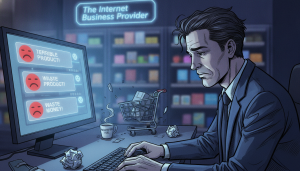
Imagine a customer standing at your register with a credit card in hand. They are literally about to swipe when they suddenly pause and pull out their phone. They examine your business profile and slowly put their card back in their wallet.
The shopper walks out of your store without saying a single word. In the modern digital economy, an abandoned cart is that customer walking away from your business. You have essentially lost a guaranteed sale at the very last second.
For modern businesses, maintaining a high rating is not just a vanity metric. It is the mandatory digital handshake that confirms a digital trust foundation, which every buyer needs to feel safe. Without this initial trust, your checkout process will fail nearly every time.
Ignoring your online reputation management is a primary cause of missed sales for many companies today. This is exactly how bad reviews cart abandonment issues begin to drain your monthly revenue. You must take control of your public image to keep your business thriving and credible.
Key Takeaways
- Digital trust acts as a virtual handshake for every new visitor.
- Negative feedback creates immediate friction during the final checkout process.
- Modern shoppers prioritize recent social proof over traditional marketing promises.
- Proactive management prevents potential revenue from slipping through the cracks.
- A single search can change a customer’s mind about your brand instantly.
- Building a credible reputation is essential for long-term growth and success.
The Invisible Revenue Killer Lurking in Your Checkout Flow
The real challenge in reducing cart abandonment lies not in optimizing technical performance, but in building trust. While many businesses focus on streamlining their checkout processes, a more significant obstacle often goes unnoticed: the lack of digital trust.
Conversion Rate Optimization (CRO) strategies frequently emphasize speed and convenience, which are crucial but no longer sufficient on their own. The modern consumer is more cautious and discerning, seeking not just a smooth transaction but also assurance that their personal and financial information is secure.
Why Optimizing Checkout Speed Isn’t Enough Anymore
Optimizing checkout speed is a fundamental aspect of CRO. However, with the rise of online fraud and data breaches, consumers have become increasingly wary of completing transactions online. Fast checkout processes can sometimes even exacerbate the problem if they compromise security.
A study might reveal that a significant portion of cart abandonment is due to trust issues rather than technical glitches. This is where the concept of digital trust comes into play.
The Missing Piece in Your Conversion Rate Optimization Strategy
Most CRO strategies focus on tangible elements like page load times, mobile responsiveness, and form simplicity. However, the intangible aspect of trust is often overlooked. Trust is built through various cues, including website design, customer reviews, and clear communication about data protection.
- Clear privacy policies
- Trust badges and security certifications
- Customer testimonials and reviews
These elements contribute to a robust digital trust foundation, which is essential for converting hesitant browsers into confident buyers.
Digital Trust as the Ultimate Conversion Bottleneck
In today’s digital landscape, establishing online credibility is paramount. Consumers are more likely to abandon their carts if they perceive a website as untrustworthy. This perception can stem from various factors, including a lack of transparency about shipping costs or return policies.
“Trust is the glue that holds relationships together, and in e-commerce, it’s what turns browsers into buyers.”
To combat cart abandonment effectively, businesses must prioritize building a strong digital trust foundation. This involves not just optimizing the checkout flow but also ensuring that every touchpoint with the customer reinforces the brand’s credibility and trustworthiness.
The Trust Gap: Why Up to 70% of Shopping Carts Get Abandoned
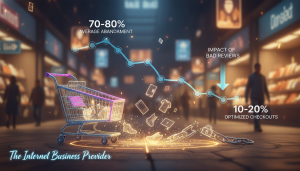
The trust gap in online shopping is manifesting in alarming cart abandonment rates, with nearly 70% of shoppers abandoning their carts. This phenomenon is not just a minor hiccup in the e-commerce process; it represents a significant loss of revenue for online retailers.
The Hidden Costs Beyond Shipping Fees and Slow Load Times
While technical issues such as slow load times and high shipping fees are often cited as reasons for cart abandonment, there are deeper, more nuanced factors at play. One of the primary concerns for online shoppers is the perceived trustworthiness of the online brand.
Customers are increasingly cautious when making online purchases, and their trust is influenced by various factors, including the brand’s online reputation, customer reviews, and the overall user experience.
When Customers Second-Guess Your Online Brand Authority
Online brand authority plays a crucial role in establishing trust with potential customers. When shoppers second-guess a brand’s authority or legitimacy, they are more likely to abandon their carts. This is particularly true for small and medium-sized businesses (SMBs), where a single negative review can significantly impact the customer’s perception of the brand.

How E-E-A-T Signals Influence the Final Purchase Decision
E-E-A-T (Experience, Expertise, Authoritativeness, Trustworthiness) signals are critical in determining the credibility of an online brand. Google’s emphasis on E-E-A-T highlights the importance of demonstrating expertise, showcasing authoritativeness, and building trust with customers.
By incorporating E-E-A-T signals into their online presence, businesses can increase the likelihood of converting browsers into buyers. This can be achieved through high-quality content, customer testimonials, and transparent business practices.
The Digital Reputation Crisis Killing SMB Conversions
SMBs are particularly vulnerable to digital reputation crises, where a single negative review or rating can deter potential customers. The impact of this can be significant, with a damaged reputation leading to reduced conversions and, ultimately, revenue loss.
| Factor | Impact on Conversions | Actionable Step |
|---|---|---|
| Online Brand Authority | High | Establish thought leadership through high-quality content |
| E-E-A-T Signals | High | Demonstrate expertise and authoritativeness through customer testimonials and transparent business practices |
| Digital Reputation | High | Monitor and manage online reviews, addressing negative feedback promptly |
How Bad Reviews Cart Abandonment Kills Your Sales at the Last Click
As shoppers approach the final step of their purchase journey, the presence of bad reviews can trigger a sudden bout of cart abandonment. This phenomenon is not just about the number of bad reviews but also about the psychological impact they have on potential customers.
The Moment of Truth: Inside the Psychology of Pre-Purchase Anxiety
The final stages of a purchase are often accompanied by a mix of excitement and anxiety. Shoppers are eager to complete their transaction, but they are also cautious, seeking reassurance that they are making the right decision.
The Last-Second Digital Audit Every Shopper Performs
Before hitting the ‘buy now’ button, shoppers often conduct a last-second digital audit. They scour the internet for reviews, check ratings, and look for any red flags that might indicate a problem with the product or service. This behavior is driven by the desire to mitigate risk and ensure a satisfactory purchase experience.
When Payment Screen Triggers Reputation Research
The payment screen is a critical juncture where shoppers may pause to reassess their decision. It’s common for customers to open a new tab and search for reviews or ratings at this stage. If they encounter negative feedback, it can be enough to derail the entire purchase process.
The “Sweaty Palm Handshake” Effect of Zero Reviews
Interestingly, having zero reviews can also be detrimental. It can create an air of uncertainty, making potential customers question the legitimacy or quality of the product or service. A complete absence of social proof can be just as damaging as negative reviews.
How Social Proof Becomes Social Repulsion
Social proof is a powerful tool in e-commerce, with customer reviews and ratings serving as a form of endorsement. However, when this social proof turns negative, it can have the opposite effect, driving potential customers away.
Unresolved Customer Complaints as Silent Revenue Killers
Unaddressed customer complaints can silently kill revenue. When potential customers see that complaints are not being resolved, it erodes trust and increases the likelihood of cart abandonment.
Low Star Ratings and the Spike in Purchase Anxiety
Low star ratings can significantly increase purchase anxiety. Shoppers are more likely to abandon their carts if they perceive a product or service as being of poor quality or unreliable.
Negative Feedback Impact on Customer Decision-Making
Negative feedback has a profound impact on customer decision-making. It not only deters potential customers but also affects their perception of the brand as a whole.
“The way to get started is to quit talking and begin doing.” – Walt Disney. This proactive approach is crucial in managing negative feedback and turning it into an opportunity to build trust.
The Real Cost of Customer Dissatisfaction to Your Bottom Line
Customer dissatisfaction can have a significant financial impact on businesses. It’s not just the loss of a single sale; it’s about the potential long-term damage to the brand’s reputation and the increased cost of acquiring new customers.
Calculating Lost Revenue From Reputation-Driven Abandonment
To understand the true cost of bad reviews, businesses need to calculate the lost revenue due to reputation-driven abandonment. This involves analyzing cart abandonment rates in relation to negative reviews and ratings.
How Poor Online Credibility Inflates Customer Acquisition Cost
Poor online credibility can inflate customer acquisition costs. When potential customers are deterred by bad reviews, businesses must spend more on marketing and advertising to attract new customers, thereby increasing their CAC.
Your Battle Plan: Fighting Back With Strategic Online Reputation Management
Fighting back against cart abandonment requires a strategic battle plan centered on building digital trust and managing online reputation. By implementing a comprehensive online reputation management strategy, businesses can significantly reduce cart abandonment rates and increase conversions.
Building an Unshakeable Digital Trust Foundation
Establishing a strong digital trust foundation is crucial for businesses looking to minimize cart abandonment. This involves several key strategies:
Implementing Proactive Reputation Monitoring Systems
By proactively monitoring your online reputation, you can quickly identify and address potential issues before they escalate. This includes tracking customer reviews, social media mentions, and other online feedback.
Creating a Customer Review Optimization Framework
A well-structured customer review optimization framework helps businesses to collect and showcase positive reviews, while also addressing negative feedback in a constructive manner.
Establishing Consistent Brand Authority Across Platforms
Consistency is key when it comes to building brand authority. Ensure that your brand message and values are consistently communicated across all online platforms.
Transforming Negative Reviews Into Conversion Opportunities
Negative reviews can be a valuable source of feedback for businesses. By responding to negative reviews in a professional and empathetic manner, businesses can turn potential detractors into loyal customers.
The Art of Public Complaint Resolution
Resolving customer complaints in a public forum demonstrates a business’s commitment to customer satisfaction. This can help to build trust and credibility with potential customers.
Response Strategies That Build Credibility and Trust
Developing effective response strategies is crucial for building credibility and trust. This includes responding promptly to customer feedback, acknowledging issues, and providing solutions.
Turning Detractors Into Brand Advocates
By addressing customer concerns and providing excellent customer service, businesses can turn detractors into brand advocates.
Reducing Cart Abandonment Rates Through Enhanced User Experience
Enhancing the user experience is critical for reducing cart abandonment rates. This can be achieved by:
Strategic Review Placement for Maximum Social Proof Impact
Strategically placing customer reviews throughout the checkout process can help to build trust and credibility with potential customers.
Boosting E-Commerce Conversions With Trust Badges and Testimonials
Using trust badges and customer testimonials can help to increase conversions by providing social proof.
Integrating Real-Time Reputation Signals at Checkout
Integrating real-time reputation signals at checkout can help to build trust and reduce cart abandonment rates.
Customer Retention Strategies That Prevent Bad Reviews Before They Happen
Implementing effective customer retention strategies can help to prevent bad reviews before they happen. This includes:
Proactive Communication and Expectation Management
Proactive communication is key to managing customer expectations and preventing issues.
Building Feedback Loops That Catch Issues Early
Establishing feedback loops helps businesses to identify and address potential issues before they escalate.

Conclusion: Take Control of Your Digital Reputation and Stop Revenue Loss Today
Effective digital reputation management is crucial for e-commerce businesses to prevent cart abandonment and revenue loss. By focusing on improving online reputation, businesses can build trust with their customers and ultimately boost e-commerce conversions.
Enhancing user experience is a key aspect of this strategy. When customers feel confident in a brand’s ability to deliver quality products and services, they are more likely to complete their purchases. This, in turn, reduces cart abandonment rates and increases revenue.
By proactively managing online reviews and feedback, businesses can identify areas for improvement and make data-driven decisions to enhance their overall customer experience. This not only improves customer satisfaction but also contributes to boosting e-commerce conversions.
Take the first step towards securing your online revenue by prioritizing your digital reputation. Focus on building a strong online presence, and watch your business thrive.
## FAQ
### Q: Why isn’t my conversion rate optimization (cro) strategy working despite a fast checkout?
A: While speed is essential, conversion rate optimization (cro) often fails when it ignores the human element: trust. If a shopper reaches your payment page but encounters a lack of online brand authority, they will likely hesitate. A fast site won’t save a sale if the customer discovers a poor digital trust foundation. To stop bad reviews cart abandonment, you must ensure that your online credibility is as polished as your technical infrastructure.
### Q: How exactly do bad reviews impact my bottom line and customer acquisition cost (cac)?
A: The negative feedback impact goes far beyond a single lost sale. When potential buyers see unresolved complaints, your customer acquisition cost (cac) skyrockets because you’re paying for traffic that refuses to convert. By improving online reputation, you essentially lower the barrier to entry, making every marketing dollar spent on platforms like Google Ads or Meta more effective. Managing customer dissatisfaction proactively ensures you aren’t leaking revenue at the final click.
### Q: What are E-E-A-T signals and why are they important for reducing cart abandonment rates?
A: E-E-A-T signals (Experience, Expertise, Authoritativeness, and Trustworthiness) are benchmarks used by both search engines and savvy shoppers to evaluate your business. In the context of reducing cart abandonment rates, these signals act as a green light for the consumer. When your store displays verified social proof from platforms like Trustpilot or G2, it reinforces your online brand authority, giving customers the confidence to complete their purchase without performing a last-second reputation audit.
### Q: Can strategic online reputation management really turn a negative review into a sale?
A: Absolutely! Effective online reputation management isn’t just about hiding mistakes; it’s about showcasing your commitment to excellence. Through active negative reviews management, you can publicly resolve issues, demonstrating to onlookers that you value customer happiness. This transparency builds online credibility, often turning a skeptical browser into a loyal advocate and significantly boosting e-commerce conversions.
### Q: How can the internet business provider assist in establishing a digital trust foundation?
A: As the internet business provider, your role is to bridge the gap between your product and the customer’s peace of mind. By implementing a digital trust foundation—which includes secure payment gateways, clear return policies, and visible customer review optimization—you remove the “sweaty palm” anxiety shoppers feel at checkout. This holistic approach to enhancing user experience is what separates high-growth brands from those struggling with high abandonment.
### Q: What role do customer retention strategies play in preventing bad reviews?
A: The best way to handle a crisis is to prevent it. Robust customer retention strategies involve proactive communication and feedback loops that catch issues before they escalate into public complaints. By focusing on customer review optimization early in the post-purchase journey, you encourage happy customers to speak up, which naturally dilutes the negative feedback impact and strengthens your overall brand presence on sites like Amazon or Shopify.
### Q: How does enhancing user experience through trust badges help in boosting e-commerce conversions?
A: Enhancing user experience isn’t just about layout; it’s about psychological comfort. Integrating real-time reputation signals and trust badges at the “moment of truth” (the payment screen) serves as a powerful antidote to bad reviews cart abandonment. When shoppers see that other humans have had successful experiences, their purchase anxiety drops, directly boosting e-commerce conversions and maximizing the lifetime value of your customer base.