
Many small to mid-sized business owners build their entire brand on rented land. Whether you are a coach on Instagram or a seller on Amazon, you likely spend hours growing your audience on these sites. While these tools offer reach, they also create a hidden platform risk that could threaten your future.
When you rely solely on third-party platforms (instagram, amazon, facebook), you are playing by someone else’s rules. If an algorithm changes or an account gets suspended, your hard work can vanish overnight. This is why understanding digital asset ownership is vital for long-term success.
For creators and digital entrepreneurs, the goal should be to move followers toward channels you control. Protecting your business means ensuring that your connection to your customers remains secure, regardless of external policy shifts. It is time to take back control of your brand’s foundation.
Key Takeaways
- Relying only on social media creates significant business vulnerability.
- Algorithm changes can instantly reduce your reach and revenue.
- Building an email list is a safer way to maintain customer contact.
- True stability comes from owning your website and data.
- Diversifying your traffic sources protects you from platform bans.
The Digital Sharecropper Dilemma
Have you ever considered that your thriving online business might actually be a form of digital sharecropping? Many small to mid-sized business owners and creators pour their energy into platforms like Instagram or Facebook, assuming their hard work guarantees long-term success. In reality, this approach leaves your livelihood entirely at the mercy of corporate giants.
Building on Rented Land
Building a business solely on social media is like constructing a beautiful house on a rented lot. You might decorate the interior and invite guests, but the landlord holds the deed. If the platform decides to change its algorithm, update its terms of service, or simply ban your account, you lose your foundation overnight.
This dependency is a major risk for digital entrepreneurs who fail to diversify their reach. When you operate exclusively on third-party platforms, you do not own the relationship with your audience. You are merely borrowing access to them, and that access can be revoked without warning.
“He who owns the platform owns the audience. If you don’t own your digital infrastructure, you are just a guest in someone else’s house.”
The Illusion of Platform Security
Many business owners fall into the trap of believing that high follower counts equal security. They assume that because a platform is popular, it is a stable place to house their entire operation. However, history shows that platforms prioritize their own revenue over the success of individual users.
Transitioning to ibp’s managed infrastructure allows you to reclaim control over your digital assets. By moving away from the “rented” model, you protect your revenue streams from sudden policy shifts. The following table highlights the stark differences between relying on rented platforms versus owning your digital presence.
| Feature | Rented Platform | Owned Infrastructure |
|---|---|---|
| Data Ownership | Platform Controlled | Business Owner Controlled |
| Algorithm Impact | High Vulnerability | Minimal Impact |
| Account Stability | Subject to TOS Changes | Full Autonomy |
| Audience Access | Restricted by Paywalls | Direct Communication |
Ultimately, the goal is to move from a state of vulnerability to one of strategic independence. By diversifying your digital footprint, you ensure that your business remains resilient regardless of how the digital landscape evolves.
Understanding Platform Volatility and Algorithm Changes
Every business owner knows the frustration of waking up to find their hard-earned reach has vanished overnight. This instability is a core platform risk that many entrepreneurs underestimate until it is too late. When your entire business model relies on a third-party feed, you are essentially playing a game where the rules change without notice.
How Algorithms Dictate Your Reach
Social media platforms use complex, proprietary algorithms to decide what content users see. These systems prioritize engagement metrics like comments, shares, and watch time above all else. Unfortunately, this means your high-quality content can be buried simply because it does not trigger an immediate emotional reaction from the algorithm.
Because these formulas are constantly updated, your visibility is never guaranteed. A strategy that worked perfectly last month might become obsolete tomorrow. This constant state of flux makes it nearly impossible to build a predictable, long-term marketing strategy on rented land.
The Pay-to-Play Reality
As organic reach continues to decline across major networks, businesses are increasingly forced into a pay-to-play reality. Platforms now prioritize paid advertisements over organic posts to maximize their own revenue. If you want your audience to see your message, you often have to pay a premium for the privilege.
This shift creates a significant financial burden for small businesses and creators. Relying on paid ads to maintain visibility means your growth is directly tied to your advertising budget rather than the value you provide. The following table highlights the stark differences between organic and paid visibility models.
| Feature | Organic Reach | Paid Reach |
|---|---|---|
| Cost | Free | High Investment |
| Control | Low (Algorithm Dependent) | High (Targeting Options) |
| Sustainability | Fragile | Scalable but Expensive |
| Platform Risk | High | Moderate |
The Core Differences Between Rented and Owned Assets
When you compare a website vs social media, the distinction between renting space and owning your digital home becomes clear. Many entrepreneurs mistakenly believe that a large follower count on a third-party platform equates to business stability. In reality, relying solely on these platforms leaves your brand vulnerable to sudden changes in policy or visibility.
Building an owned infrastructure, such as a self-hosted website, allows you to establish a permanent foundation for your brand. This approach ensures that you are not at the mercy of external algorithms or arbitrary account bans. By prioritizing your own digital estate, you gain the freedom to innovate without asking for permission.
Comparison Table: Rented vs. Owned Infrastructure
The following table highlights the key differences between relying on rented social media platforms and building your own independent digital infrastructure.
| Feature | Rented (Social Media/SaaS) | Owned (Self-Hosted/IBP) |
|---|---|---|
| Control | Subject to TOS and bans | You set the rules |
| Data | Platform owns your leads | You own every lead |
| Reach | Pay-to-play model | Direct audience access |
| Value | Harder to sell/transfer | High-value digital estate |
Control Over Your Customer Data
One of the most significant advantages of owning your infrastructure is the ability to maintain strict personal data security. When you operate on a rented platform, the provider often controls the relationship with your audience. They can restrict your access to your own followers or change how you communicate with them at any time.
By contrast, owning your customer list ensures that you maintain direct contact with your audience regardless of external platform shifts. This level of personal data security is essential for long-term growth and business valuation. When you own the data, you possess a tangible asset that can be leveraged for years to come.
The Reality of Digital Asset Ownership
True business growth begins when you stop renting your audience and start building a permanent digital foundation. Many entrepreneurs treat their social media profiles as their primary business home, but this is a dangerous misconception. Digital asset ownership requires you to control the infrastructure where your content and customer data reside.
Defining Your Digital Estate
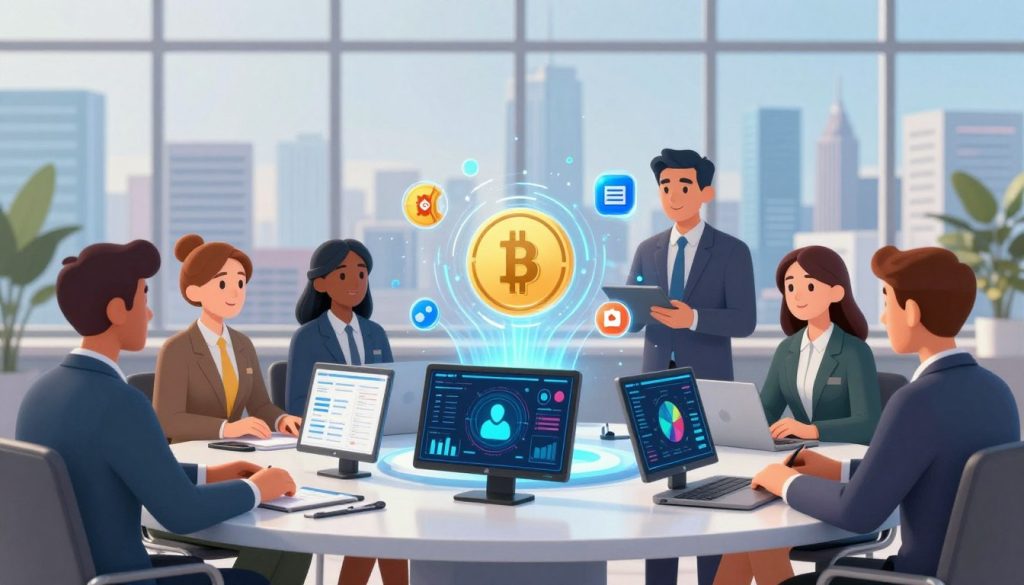
Your digital estate consists of all the online properties you fully control, such as your website, email lists, and proprietary software. Unlike social media accounts, these assets cannot be taken away by a sudden change in platform terms of service. Effective digital estate management involves organizing these assets to ensure they remain secure, updated, and accessible to your team.
When you own your digital infrastructure, you create a sustainable environment for your brand. This allows you to pivot your marketing strategies without losing your connection to your audience. Consider the following breakdown of asset types to better understand your current portfolio:
| Asset Category | Ownership Level | Control Over Data |
|---|---|---|
| Company Website | High | Full Access |
| Email Subscriber List | High | Full Access |
| Social Media Profile | Low | Restricted |
Why Ownership Increases Business Valuation
Investors and potential buyers look for stability when evaluating a company. A business that relies entirely on third-party platforms is viewed as a high-risk investment because its reach can vanish overnight. By prioritizing digital asset ownership, you demonstrate that your company has a defensible moat and a predictable way to generate revenue.
Proper digital estate management also simplifies the due diligence process during a sale. When your assets are clearly defined, documented, and under your direct control, the transition of ownership becomes much smoother. Ultimately, building an owned infrastructure transforms your business from a temporary project into a valuable, long-term asset.
Why Single Points of Failure Threaten Your Revenue
Digital vulnerability is a silent killer for many modern businesses that ignore the risks of platform dependency. When your entire revenue stream relies on a single ecosystem, you lose the ability to control your own destiny. This precarious position leaves small to mid-sized business owners, creators, and digital entrepreneurs who rely heavily on third-party platforms (instagram, amazon, facebook) exposed to sudden, uncontrollable changes.
The Danger of Platform Dependency
Building your brand on rented land creates a false sense of security. You might feel successful today, but you are subject to the whims of corporate policy changes that can happen without notice. True business stability requires a diversified approach that does not hinge on the survival of one specific app or marketplace.
Consider the following risks that arise when you lack a multi-channel strategy:
- Sudden policy shifts that restrict your ability to sell products.
- Algorithmic changes that bury your content from your most loyal followers.
- Account suspension which can freeze your revenue streams indefinitely.
Shadowbanning and Visibility Loss
One of the most frustrating aspects of platform reliance is the threat of shadowbanning. This occurs when a platform silently limits your reach, making your content invisible to your audience without any official notification. For small to mid-sized business owners, creators, and digital entrepreneurs who rely heavily on third-party platforms (instagram, amazon, facebook), this can lead to a catastrophic drop in sales overnight.
Visibility loss is not just a minor inconvenience; it is a direct hit to your bottom line. When you cannot reach your customers, your conversion rates plummet, and your marketing efforts become wasted energy. Protecting your business means moving away from these single points of failure before they compromise your long-term growth.
Case Studies in Digital Vulnerability
The digital landscape is littered with the wreckage of businesses that lost everything due to sudden platform changes. When your entire revenue model depends on a single social media giant, you are essentially leasing your future from a landlord who can evict you without notice.
This fragility is not just a theoretical risk; it is a recurring reality for thousands of entrepreneurs. By examining recent trends, we can see exactly how quickly a stable business can face an existential threat.
The 2024 Algorithm Slump
The 2024 algorithm slump serves as a stark reminder of how quickly organic reach can evaporate. Many businesses that spent years cultivating a loyal following saw their engagement metrics plummet by over 50% in a matter of weeks.
This shift forced companies to pivot their entire marketing strategy overnight. Those who relied solely on free traffic found themselves scrambling to pay for ads just to reach the same audience they previously engaged for free.
“When you build your house on rented land, you must be prepared for the landlord to change the locks at any moment.”
Horror Stories of Overnight Account Disablement
Perhaps more terrifying than a drop in reach is the total loss of access. We have seen countless reports of 10-year-old accounts being disabled overnight without a clear explanation or a path for appeal.
For these business owners, the loss is catastrophic. They lose their customer history, their direct communication lines, and their brand authority in a single click.
The following table highlights the common risks associated with relying on third-party platforms for your primary business infrastructure.
| Risk Factor | Platform Control | Business Impact |
|---|---|---|
| Algorithm Changes | High | Sudden loss of organic reach |
| Account Suspension | Total | Complete loss of customer access |
| Data Ownership | Restricted | Inability to export customer lists |
| Policy Updates | Unilateral | Forced changes to business model |
These scenarios demonstrate the urgent need to diversify your digital presence. True security comes from owning your audience and your data, rather than hoping a platform remains favorable to your business model.
The IBP Framework as a Strategic Alternative
Breaking free from the cycle of digital sharecropping requires a fundamental shift in how you view your online presence. The ibp framework offers a robust solution for entrepreneurs who want to reclaim control over their digital destiny. By moving away from the whims of third-party algorithms, you can finally build a foundation that truly belongs to your business.
What is Infrastructure-Based Presence?
Infrastructure-Based Presence, or IBP, is a strategic approach that prioritizes the ownership of your digital assets. Instead of relying on external platforms to host your content, you create a decentralized digital presence that functions independently. This means your website, email lists, and proprietary databases become the primary hubs for your customer interactions.
When you adopt this model, you are no longer at the mercy of sudden policy changes or account bans. You gain the freedom to communicate with your audience on your own terms. Utilizing a managed infrastructure ensures that your technical foundation remains secure, scalable, and fully under your control.
Moving Beyond Social Media Reliance
Social media platforms are excellent for discovery, but they are dangerous places to house your core business operations. Relying solely on these channels creates a single point of failure that can jeopardize your revenue overnight. Transitioning to an ibp framework allows you to treat social media as a traffic source rather than your primary home.
By shifting your focus to a decentralized digital presence, you protect your brand from the volatility of the modern web. Investing in managed infrastructure is the most effective way to ensure long-term stability. It is time to stop renting your success and start building an asset that grows in value every single day.
Managing Your Digital Estate for Long-Term Growth
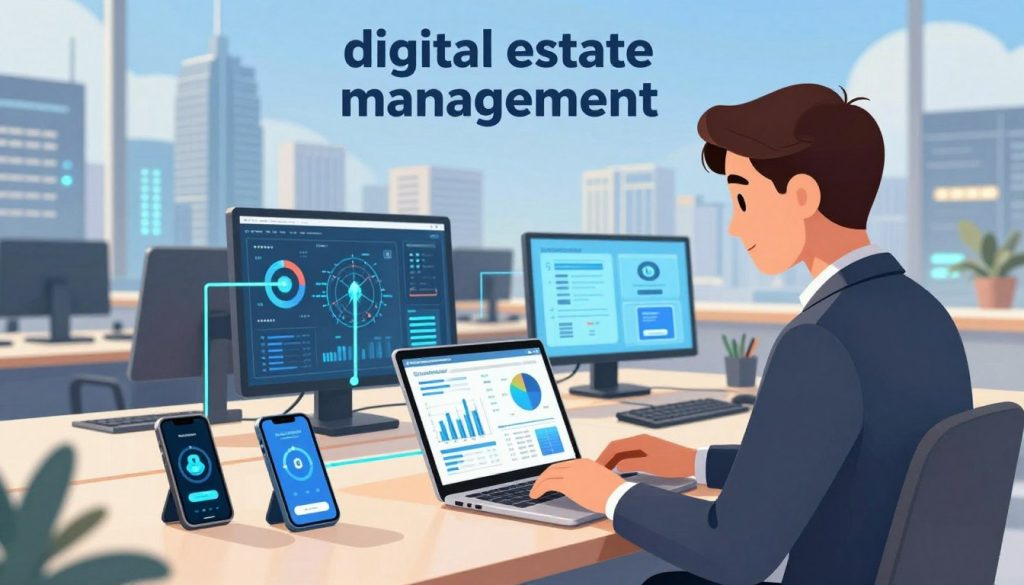
Managing your digital estate requires a shift from passive participation to active ownership. When you treat your online presence as a collection of assets rather than just social media profiles, you unlock new levels of stability. By applying the ibp framework, you ensure that your business remains resilient against sudden market shifts.
Self-Hosted Solutions vs. SaaS Marketplaces
Choosing between self-hosted infrastructure and SaaS marketplaces is a critical decision for any growing brand. SaaS platforms offer convenience, but they often come with restrictive terms and hidden costs. In contrast, self-hosted solutions provide total control over your data and user experience.
Effective digital estate management involves balancing these two worlds. You might use a marketplace for discovery, but you should always funnel traffic back to your own domain. This strategy protects your brand from the volatility of third-party algorithm updates.
| Feature | SaaS Marketplace | Self-Hosted Solution |
|---|---|---|
| Data Ownership | Limited | Full |
| Customization | Restricted | Unlimited |
| Maintenance | Low | High |
| Scalability | Platform Dependent | Independent |
Building Direct Access to Your Audience
The most valuable asset in your portfolio is a direct line of communication with your customers. Relying on social media algorithms to reach your audience is a risky gamble that often fails during peak business hours. Instead, prioritize building an email list or a proprietary community platform.
“True independence in the digital age is defined by your ability to reach your audience without asking for permission from a platform gatekeeper.”
When you own the channel, you own the relationship. By utilizing the ibp framework, you create a sustainable ecosystem that grows alongside your business. Focus on moving your followers from rented platforms to your own digital home to ensure long-term success and lasting profitability.
Integrating Blockchain and Decentralized Assets
Integrating blockchain into your business strategy offers a new frontier for asset protection and long-term growth. By moving away from centralized servers, you gain a level of control that traditional platforms simply cannot provide. This shift represents the next logical step in true digital asset ownership for modern entrepreneurs.
Utilizing blockchain assets allows your business to operate with greater transparency and security. These technologies remove the middleman, ensuring that your digital property remains under your direct authority at all times.
Cryptocurrency Management and Digital Wealth
Effective cryptocurrency management is becoming a cornerstone of modern digital wealth management. As businesses hold more value in digital form, understanding how to navigate the ecosystem of decentralized finance is essential. This approach allows for faster transactions and reduced reliance on traditional banking institutions.
Managing these assets requires a proactive mindset toward security. By using cold storage and multi-signature wallets, you can ensure that your digital treasury remains safe from external threats. This level of autonomy is a significant advantage for companies looking to scale in a digital-first economy.
NFT Ownership Rights and Asset Protection
Beyond simple currency, non-fungible tokens are changing how we define and protect intellectual property. These tokens provide verifiable proof of nft ownership rights, which are recorded permanently on a public ledger. This creates an immutable record that prevents unauthorized duplication or theft of your creative work.
Implementing these tools provides a robust layer of asset protection that traditional platforms cannot offer. When you hold your assets on the blockchain, you are not subject to the arbitrary rules of a third-party host. Securing your digital footprint through smart contracts ensures that your rights are enforced by code rather than by the changing policies of a social media giant.
Protecting Your Business from Account Suspension Risks
Waking up to a locked social media account is a nightmare no business owner should face. When you rely entirely on a third-party platform, you are essentially building your house on someone else’s land. This platform risk can lead to sudden revenue loss if the company decides to change its rules without warning.
To stay safe, you must prioritize personal data security and take active control of your digital footprint. By treating your online presence as a serious business asset, you create a buffer against the volatility of the digital landscape.

Mitigating TOS Change Impacts
Terms of Service (TOS) updates often happen in the background, yet they can fundamentally alter how you reach your audience. You should regularly audit your content to ensure it aligns with current platform guidelines. Proactive compliance is your first line of defense against unexpected account flags.
It is also wise to maintain a local backup of all your customer data and creative assets. If a platform suddenly restricts your access, having your own database ensures you can still reach your community through other channels. This level of asset protection is vital for long-term survival.
Diversifying Your Digital Presence
Relying on a single social media giant is a dangerous game. You should spread your efforts across multiple platforms and, more importantly, drive traffic to your own website. By building an email list or a private community, you reduce your dependence on any single algorithm.
Diversification acts as an insurance policy for your brand. If one channel faces a disruption, your business continues to function through your owned infrastructure. The following table outlines how to balance your efforts for maximum stability.
| Strategy | Primary Benefit | Risk Level |
|---|---|---|
| Email Marketing | Direct Audience Access | Low |
| Self-Hosted Website | Full Control | Low |
| Social Media | High Reach | High |
| Private Communities | High Engagement | Medium |
Transitioning from Social Media Reliance to Sustainable Infrastructure
A truly resilient business model relies on assets you own rather than algorithms you cannot control. Many entrepreneurs find themselves trapped in a cycle of constant content creation for platforms that offer little long-term security. By shifting your focus, you can build a decentralized digital presence that protects your brand from sudden policy changes or visibility drops.
Steps to Decentralize Your Digital Presence
The first step in this transition is to stop viewing your social media profiles as your primary storefront. Instead, treat these platforms as simple discovery tools that funnel traffic back to your own domain. This shift in perspective helps resolve the common website vs social media debate by placing your website at the center of your ecosystem.
You should begin by auditing your current traffic sources to identify where you are most vulnerable. Once you understand your reliance, start creating exclusive content that is only available on your website. This encourages your audience to visit your home base rather than just scrolling past your posts on a feed.
Prioritizing Email and Owned Channels
Email marketing remains the most effective way to maintain a direct line of communication with your customers. Unlike social media followers, your email list is an asset that you own and control entirely. By offering high-value incentives, you can convert casual social media browsers into loyal subscribers who engage with your brand on your terms.
Focusing on owned channels allows you to bypass the gatekeepers of the internet. When you prioritize your own infrastructure, you ensure that your message reaches your audience regardless of algorithm updates. The following table highlights the strategic shift required to move toward a more stable business model.
| Feature | Social Media Reliance | Owned Infrastructure |
|---|---|---|
| Audience Access | Algorithm-dependent | Direct and guaranteed |
| Data Ownership | Platform-controlled | Business-owned |
| Longevity | High risk of loss | Permanent and stable |
| Brand Control | Limited by TOS | Full creative freedom |
Ultimately, the goal is to create a sustainable environment where your business can thrive without fear of external disruption. By investing in your own digital estate, you secure your future and build a brand that stands the test of time. This is the essence of a decentralized digital presence that empowers you to grow on your own terms.
Conclusion
Relying on rented platforms creates a fragile foundation for your business. You risk losing your hard-earned audience when algorithms shift or account policies change without warning.
True stability comes from shifting your focus toward assets you fully control. By prioritizing your own website and direct email lists, you build a resilient brand that survives market turbulence.
The Infrastructure-Based Presence framework offers a clear path to independence. It moves your operations away from the whims of social media giants like Meta or X. You gain the power to reach your customers on your own terms.
Start your transition today to protect your revenue streams. Investing in your own digital estate ensures your business remains strong in an unpredictable online world. Take charge of your growth and secure your legacy now.