
Imagine locking your physical storefront doors at 5 PM. Picture dozens of eager customers walking up to the dark window at 11 PM, credit card in hand, ready to engage. Instead of a sale, they find a cold “Closed” sign and a locked door.
In our modern digital economy, an unoptimized website acts as that dark, locked window. You are losing interested customers every single hour that your business remains inactive. This represents a significant loss of revenue for any growing company in the United States.
The goal of this article is to show you how to turn the lights back on today. We will help you install a 24/7 sales funnel that greets every visitor with a smile. This shift relies on smart marketing automation to handle the heavy lifting for you.
By implementing a system for passive lead capture, you ensure no opportunity slips through the cracks. It is time to embrace automated lead generation to grow your business without needing constant manual supervision.
Key Takeaways
- Transform your website into a tireless sales machine that never sleeps.
- Capture prospect information automatically without manual data entry.
- Provide instant value to customers at any hour of the day or night.
- Reduce the overall cost of acquiring new business through efficiency.
- Build a consistent pipeline of prospects using smart digital technology.
- Allow your team to focus on closing deals instead of searching for them.
The Hidden Cost of Business Hours: Why Your Sales Stop at 5 PM
The rigid structure of business hours is costing businesses potential sales and growth opportunities. Traditional business hours, typically between 9 AM and 5 PM, were once the standard for most industries. However, this conventional model is becoming increasingly outdated in today’s 24/7 connected world.
When the office closes, and employees head home, the sales process often comes to a grinding halt. Potential customers browsing a company’s website outside of these hours are met with static content and no immediate way to engage with the business. This means that small business lead generation efforts are severely limited by the hours of operation.
Lead generation strategies that rely on immediate responses or interactions are particularly affected. For instance, when a potential customer visits a website at 8 PM, they are likely looking for information or solutions to their problems. Without an automated lead generation system in place, businesses miss the opportunity to capture these leads and potentially convert them into sales.
Moreover, the expectation of instant gratification is rising among consumers. They expect to be able to interact with businesses at their convenience, not just during traditional business hours. By not being available 24/7, businesses risk losing potential customers to competitors who offer more flexible engagement options.
To increase sales leads, businesses need to adapt to this new reality. Implementing effective lead generation strategies that work around the clock is crucial. This involves leveraging technology to engage with potential customers whenever they interact with the business, whether it’s through the website, social media, or other digital channels.
By understanding the limitations of traditional business hours and embracing a more flexible, always-on approach, businesses can significantly enhance their sales and growth prospects.
The Midnight Opportunity: Understanding After-Hours Website Traffic
After-hours website traffic presents a significant opportunity for businesses to capture leads beyond regular working hours. While your competitors may be sleeping, your website can continue to work, attracting potential customers and generating leads.
The digital landscape has evolved to a point where consumers can access your website at any time, from anywhere. This shift has made it imperative for businesses to be available and responsive to potential customers 24/7. Website chatbots and lead generation tools play a crucial role in capitalizing on this after-hours traffic.
Here are some key aspects of after-hours website traffic and how businesses can leverage it:
- Increased lead generation: By being available 24/7, businesses can capture leads that might have been lost during traditional business hours.
- Enhanced customer engagement: Automated marketing tools can engage with visitors, providing them with relevant information and nurturing them through the sales funnel.
- Competitive advantage: Businesses that effectively utilize after-hours traffic can gain a competitive edge over those that do not.
To maximize the potential of after-hours website traffic, businesses should consider implementing automated marketing strategies. This includes using website chatbots to qualify leads in real-time and nurturing them through targeted email campaigns.
By understanding and leveraging after-hours website traffic, businesses can create a continuous sales engine that operates around the clock, driving growth and revenue even when the business is not actively working.
What Is a 24/7 Sales Engine and Why Your Business Needs One
As the digital world continues to evolve, the importance of having a 24/7 Sales Engine cannot be overstated for businesses seeking to maximize their online potential. A 24/7 Sales Engine refers to a comprehensive system that enables businesses to generate leads, engage with customers, and drive sales continuously, without being limited by traditional business hours.
At the heart of a 24/7 Sales Engine is lead generation software or a lead generation platform that automates the process of capturing and qualifying leads. These tools are crucial for ensuring that potential customers can interact with a business at any time, whether it’s through a website, social media, or other digital channels.
A key component of an effective 24/7 Sales Engine is CRM integration. By integrating lead generation tools with a Customer Relationship Management (CRM) system, businesses can ensure that all leads are properly managed and followed up on. This integration enables sales teams to respond promptly to new leads, regardless of when they were generated.
The benefits of a 24/7 Sales Engine include:
- Increased lead generation through continuous engagement
- Improved customer satisfaction due to timely responses
- Enhanced sales performance through prompt follow-up on leads
By leveraging a 24/7 Sales Engine, businesses can stay competitive in a rapidly changing market, ensuring they never miss an opportunity to engage with potential customers.
Automated Lead Generation: The Foundation of Passive Revenue Growth
The key to unlocking passive revenue growth lies in implementing automated lead generation systems that work around the clock. By automating the lead generation process, businesses can ensure a continuous flow of potential customers, even when they’re not actively working.
Automated lead generation involves using software and tools to capture and qualify leads without manual intervention. This not only saves time but also increases efficiency and reduces the likelihood of human error.
Some of the key benefits of automated lead generation include:
- Increased lead volume through continuous capture
- Improved lead quality through real-time qualification
- Enhanced customer experience through timely engagement
- Reduced labor costs by minimizing manual lead generation efforts
To implement automated lead generation effectively, businesses should consider the following strategies:
- Utilize conversational chatbots on their website to engage visitors
- Create high-converting opt-in forms that offer value to potential customers
- Leverage automated email nurturing campaigns to build relationships with leads
By integrating these strategies, businesses can create a robust automated lead generation system that fuels passive revenue growth. The result is a 24/7 sales engine that continuously captures leads and nurtures them into customers.
Conversational Chatbots: Your Always-On Sales Representative
As the digital marketplace continues to evolve, the importance of having an always-on sales representative cannot be overstated. Conversational chatbots are revolutionizing the way businesses interact with potential customers, providing a seamless and efficient lead generation experience.
These advanced chatbots are designed to simulate human-like conversations, engaging website visitors and qualifying leads in real-time. By leveraging natural language processing (NLP) and machine learning algorithms, conversational chatbots can understand and respond to customer inquiries, providing personalized support and guidance throughout the sales funnel.
How Chatbots Qualify Leads in Real-Time
Conversational chatbots play a crucial role in qualifying leads by engaging potential customers and assessing their needs and interests. By asking targeted questions and analyzing responses, chatbots can identify high-quality leads and route them to the appropriate sales representatives for further nurturing.
The real-time lead qualification process involves:
- Initial Engagement: Chatbots initiate conversations with website visitors, gathering basic information and assessing their level of interest.
- Needs Assessment: Through a series of questions, chatbots determine the visitor’s specific needs and pain points.
- Lead Scoring: Based on the collected data, chatbots assign a score to each lead, indicating their potential value.
- Routing Qualified Leads: High-scoring leads are then directed to sales teams for personalized follow-up.
Best Practices for Chatbot Implementation
To maximize the effectiveness of conversational chatbots, businesses should adhere to the following best practices:
| Best Practice | Description |
|---|---|
| Clear Objectives | Define the chatbot’s purpose and goals, ensuring alignment with overall business objectives. |
| Personalization | Use data and analytics to personalize chatbot interactions, enhancing user experience. |
| Continuous Improvement | Regularly update and refine chatbot scripts based on user feedback and performance data. |
By implementing conversational chatbots effectively, businesses can create a robust 24/7 sales engine, capturing leads and driving revenue growth even when their teams are offline.
High-Converting Opt-In Forms: Strategic Placement and Value Exchange
Capturing leads while providing value to visitors is the dual goal that high-converting opt-in forms aim to achieve. To accomplish this, businesses must focus on both the strategic placement of these forms and the creation of compelling lead magnets that encourage visitors to opt-in.
Strategic placement involves understanding visitor behavior and preferences to determine the most effective locations for opt-in forms on a website. This could be on a sidebar, at the end of a blog post, or even as a pop-up.
Creating Irresistible Lead Magnets
An irresistible lead magnet is a critical component of a high-converting opt-in form. It is an incentive offered to visitors in exchange for their contact information. Effective lead magnets are relevant, valuable, and solve a specific problem for the target audience.
- eBooks and guides that provide in-depth information on a topic relevant to your business
- Webinars or online workshops that offer training or insights
- Templates or checklists that simplify a process or task for the visitor
- Free trials or demos of a product or service
Where to Position Forms for Maximum Conversions
The positioning of opt-in forms is crucial for maximizing conversions. Forms should be placed where they are most visible and relevant to the content.
Some effective strategies include:
- Placing a form at the end of a blog post, especially if it’s a high-value or informative piece
- Using a sidebar or header form to make it visible across multiple pages
- Creating a pop-up form that appears after a visitor has spent a certain amount of time on the site or is about to leave
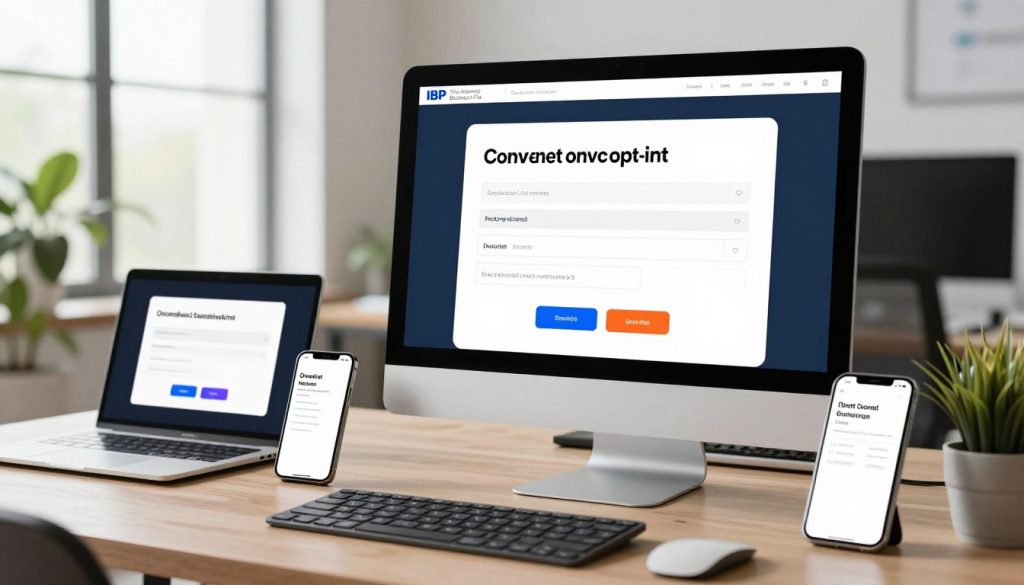
By combining strategic form placement with compelling lead magnets, businesses can significantly enhance their lead generation capabilities. This approach not only captures more leads but also ensures that the leads are qualified and interested in the offerings.
Automated Email Nurturing: Turning Prospects Into Customers on Autopilot
Automated email nurturing is the key to turning prospects into customers on autopilot, maximizing the potential of your 24/7 sales engine. By leveraging a series of strategically crafted emails, businesses can guide potential customers through the sales funnel, providing them with the information they need to make informed purchasing decisions.
“The goal of automated email nurturing is to build a relationship with your prospects, educating them about your product or service and establishing trust,” says Mark Brown, a renowned marketing expert. This process involves more than just sending emails; it’s about creating a nurturing process that addresses the needs and concerns of your prospects at every stage.
Building Effective Drip Campaigns
Drip campaigns are a crucial component of automated email nurturing. These campaigns involve sending a series of emails to prospects over time, with each email providing additional value and moving the prospect closer to a sale. To build an effective drip campaign, businesses must first identify their target audience and create content that resonates with them.
The key to a successful drip campaign is relevance. Each email should be tailored to the specific needs and interests of the recipient, providing them with the information they need to progress through the sales funnel. This can be achieved through segmentation and personalization, which allow businesses to target their emails to specific groups and individuals.
Segmentation and Personalization Strategies
Segmentation involves dividing your email list into distinct groups based on specific criteria, such as demographics, behavior, or preferences. By segmenting your email list, you can create targeted campaigns that speak directly to the needs and interests of each group.
Personalization takes segmentation a step further by tailoring the content of each email to the individual recipient. This can be achieved through the use of dynamic content, which allows businesses to insert personalized elements into their emails, such as the recipient’s name or company.
By combining segmentation and personalization, businesses can create highly effective email nurturing campaigns that drive real results. As the marketing expert,
“Personalization is not just a nice-to-have; it’s a must-have in today’s competitive marketing landscape.”
- Identify your target audience and create content that resonates with them.
- Segment your email list to create targeted campaigns.
- Use personalization to tailor the content of each email to the individual recipient.
CRM Integration: Centralizing Your Lead Management System
The key to unlocking streamlined lead management lies in the integration of a robust CRM system. By centralizing lead data, businesses can significantly enhance their ability to follow up and manage leads effectively.
CRM integration allows for the synchronization of lead information across various platforms, ensuring that all teams have access to the same up-to-date information. This unified view of lead data helps in reducing miscommunication and improves the overall efficiency of the sales process.
Effective lead management is at the heart of any successful sales strategy. With a CRM system integrated into your sales engine, you can automate the process of lead assignment, follow-up emails, and tracking interactions. This not only saves time but also ensures that no lead is left unattended.
Moreover, CRM integration facilitates better analysis of lead behavior and preferences. By having a comprehensive view of lead interactions, businesses can tailor their marketing efforts more effectively, thereby increasing the chances of conversion.
In essence, integrating a CRM system into your lead management process is a strategic move towards creating a more cohesive and efficient sales environment. It enables businesses to respond promptly to leads, personalize their engagement, and ultimately drive more sales.
For internet business providers, this means being able to manage a large volume of leads generated through various online channels. By leveraging CRM integration, they can ensure that their lead management system is both scalable and efficient.
Analytics and Optimization: Measuring Your Sales Engine Performance
The key to unlocking the full potential of your automated lead generation system lies in meticulous analytics and optimization. By closely monitoring your sales engine’s performance, you can identify bottlenecks, capitalize on successful strategies, and continually refine your approach to maximize ROI.
To effectively measure your sales engine’s performance, it’s essential to track a variety of metrics that provide insight into its operational efficiency and effectiveness. This is where analytics comes into play, offering a data-driven perspective on how your sales engine is performing and where improvements can be made.
Key Metrics to Track
Several key metrics are crucial for understanding the performance of your 24/7 Sales Engine. These include:
- Conversion Rates: Monitoring the percentage of visitors who become leads or customers.
- Lead Quality: Assessing the quality of leads generated to ensure they align with your target audience.
- Sales Cycle Length: Tracking the time it takes for a lead to convert into a customer.
- Customer Acquisition Cost (CAC): Calculating the cost of acquiring a new customer.
- Return on Investment (ROI): Evaluating the return generated by your sales engine compared to its cost.
By closely monitoring these metrics, you can gain a comprehensive understanding of your sales engine’s performance and identify areas for improvement.
A/B Testing for Continuous Improvement
A/B testing is a powerful tool for optimizing your sales engine. By comparing two versions of a webpage, email, or other marketing elements, you can determine which version performs better and make data-driven decisions to enhance your sales strategy.
Effective A/B testing involves:
- Identifying elements to test, such as headlines, call-to-action buttons, or email subject lines.
- Creating variations of the identified elements.
- Running the test to compare performance between the different versions.
- Analyzing the results to inform future marketing decisions.
As HubSpot notes, “A/B testing is essential for understanding what resonates with your audience and optimizing your marketing efforts accordingly.”

By integrating analytics and optimization into your 24/7 Sales Engine, you can ensure it operates at peak performance, driving continuous improvement and maximizing your business’s potential for growth.
Building Your Sales Engine: A Step-by-Step Implementation Roadmap
To stay ahead in the competitive market, building a 24/7 Sales Engine is crucial for continuous lead generation. This involves a strategic approach to implementing the right tools and technologies.
The first step in building your Sales Engine is to identify your business needs and goals. This includes understanding your target audience, their pain points, and how your product or service can address these needs.
Step 1: Assess Your Current Lead Generation Strategy
Evaluate your existing lead generation methods, including any manual processes, to identify areas for improvement and opportunities for automation.
Step 2: Choose the Right Lead Generation Tools
Select tools that align with your business goals, such as conversational chatbots, high-converting opt-in forms, and automated email nurturing systems.
Marketing automation is key to a successful 24/7 Sales Engine. It enables you to nurture leads through personalized email campaigns and other targeted marketing efforts.
Here’s a comparison of popular marketing automation tools:
| Tool | Features | Integration |
|---|---|---|
| HubSpot | Email marketing, lead scoring, CRM integration | CRM, social media, sales tools |
| Marketo | Email marketing, lead nurturing, analytics | CRM, sales tools, social media |
| Pardot | Email marketing, lead scoring, CRM integration | CRM, sales tools, marketing tools |
Step 4: Integrate Your CRM
CRM integration is vital for centralizing your lead management system, ensuring that all lead data is up-to-date and accessible across your sales and marketing teams.
Step 5: Monitor and Optimize
Regularly review your Sales Engine’s performance using analytics and A/B testing to identify areas for improvement and optimize your lead generation strategies.
By following these steps and leveraging the right tools and technologies, you can build a robust 24/7 Sales Engine that drives continuous lead generation and supports your business growth.
The ROI of Working While You Sleep: Real Results from Marketing Automation
By leveraging a 24/7 Sales Engine, businesses can capture leads around the clock, resulting in a notable boost to their bottom line. The implementation of marketing automation and a 24/7 Sales Engine has shown significant returns on investment for numerous businesses.
One of the key benefits of marketing automation is its ability to increase sales leads through continuous engagement with potential customers. For instance, a study by Marketo found that companies that used marketing automation saw a 451% increase in qualified leads.
“Marketing automation is not just a tool, it’s a strategy that allows businesses to nurture leads and convert them into customers more efficiently.”
Real-world examples demonstrate the effectiveness of marketing automation. For example, a company that implemented a 24/7 Sales Engine saw a 25% increase in sales leads within the first quarter. Another business reported a 30% boost in revenue after integrating automated email nurturing campaigns into their marketing strategy.
| Company | Pre-Automation Leads | Post-Automation Leads | Increase in Leads |
|---|---|---|---|
| Company A | 100 | 125 | 25% |
| Company B | 500 | 650 | 30% |
| Company C | 200 | 280 | 40% |
The ROI of marketing automation is clear. By automating lead generation and nurturing processes, businesses can increase sales leads and ultimately drive revenue growth. As the data shows, the potential for return on investment is substantial, making marketing automation a worthwhile consideration for businesses looking to expand their customer base.
In conclusion, the implementation of a 24/7 Sales Engine and marketing automation can lead to significant improvements in lead generation and revenue. By understanding the ROI of marketing automation, businesses can make informed decisions about their marketing strategies and investments.
Conclusion
Implementing a 24/7 Sales Engine is a strategic move for businesses aiming to stay ahead in today’s competitive landscape. By leveraging automated lead generation and creating a 24/7 sales funnel, companies can capture leads continuously, driving revenue growth even when they sleep.
The key components of a successful 24/7 Sales Engine include conversational chatbots, high-converting opt-in forms, automated email nurturing, and CRM integration. These elements work together seamlessly to qualify leads, nurture prospects, and centralize lead management.
By adopting a 24/7 Sales Engine, businesses can experience significant returns on investment, as demonstrated by real results from marketing automation. As the digital landscape continues to evolve, embracing automated lead generation is crucial for sustained growth and success.