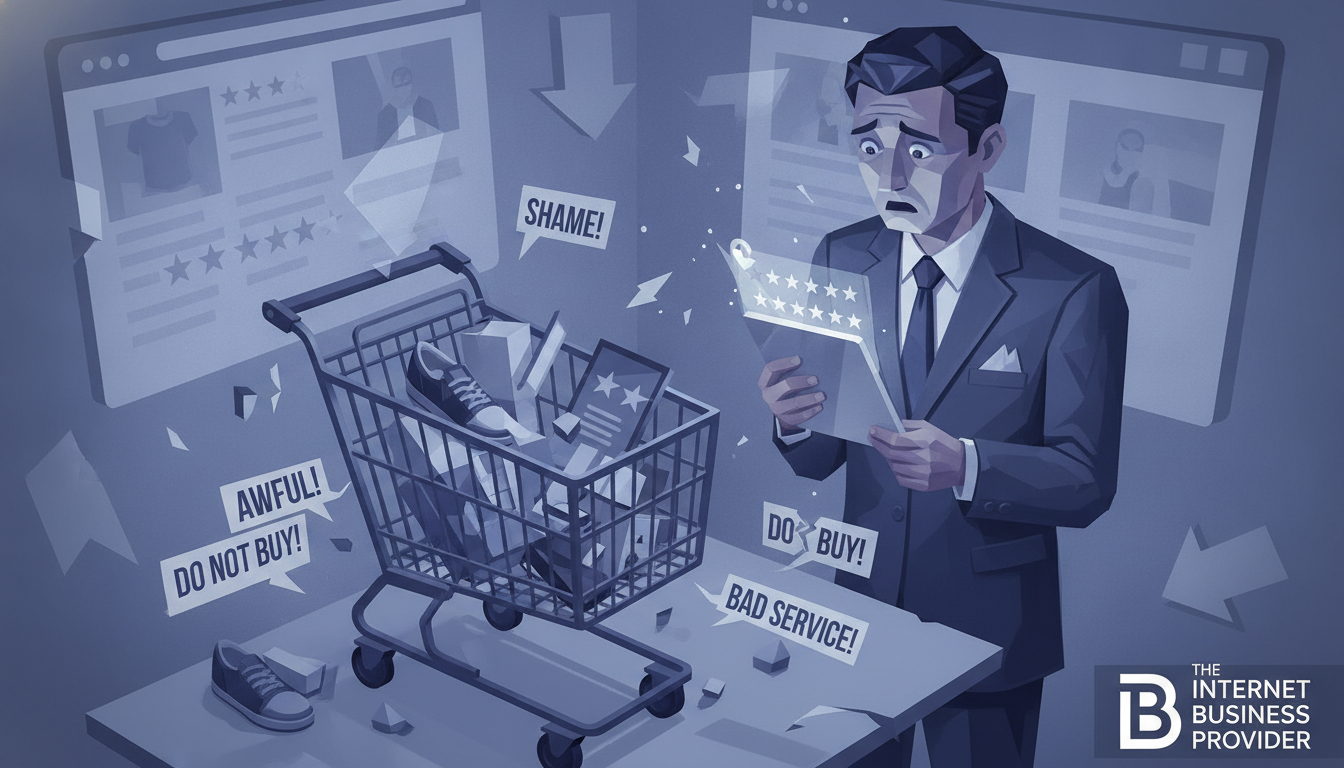
A customer spends 15 minutes exploring your site. They add your highest-margin product, reach checkout, and hover over the payment button. Then doubt takes over. They open a new tab, search your brand, and find an unresolved one-star complaint from three months ago. The sale disappears.
Statista places the global online shopping cart abandonment rate above 70%. In simple terms, fewer than three in ten carts become completed sales. Many shoppers now follow a “check before you buy” habit. They scan ratings, recent comments, and company responses before sending payment.
Salsify’s 2026 Consumer Research found that 42% of buyers are more likely to leave when product pages show no ratings, low ratings, or negative reviews. This explains the Impact of bad reviews on cart abandonment: negative feedback raises purchase risk during the final decision.
Shipping fees and clunky checkout design may seem like the main causes. Yet unresolved complaints can create equal friction, turning strong campaigns into lost sales. This guide connects buyer psychology with revenue, response strategy, social proof, and IBP recovery tactics.
Key Takeaways
- Global abandonment rates exceed 70%.
- Shoppers check social proof before payment.
- Negative feedback can weaken trust.
- Fast, helpful responses support sales.
- Better checkout usability may recover revenue.
Why Review Trust Shapes Checkout Decisions
Trust guides the final choice long before payment begins. Shoppers often verify product quality, delivery speed, and durability through customer feedback. This “check before you buy” habit can raise cart abandonment when proof feels weak.
More Than Nine in Ten Shoppers Read Reviews Before Buying
PowerReviews reports that 98% of shoppers read online reviews. This benchmark shows why carts need clear, recent feedback near key purchase points. Strong social proof helps lower hesitation and supports a smoother checkout.
Why Customer Feedback Often Outweighs Brand Claims
PwC found that 90% of business leaders think customers strongly trust their brands, yet only 30% of consumers agree. Independent comments feel more credible because they describe real use, shipping, and service. Also, 87% of shoppers will pay more for trusted brands.
Review credibility is a revenue asset. It can reduce cart abandonment and help retailers protect sales. Inconsistent details trigger concern for 45% of Gen Z shoppers and 43% of Millennials.
| Signal | Consumer finding | Checkout meaning |
|---|---|---|
| Review reading | 98% of shoppers | Proof matters before purchase |
| Brand trust gap | 90% leaders vs. 30% consumers | Claims need customer evidence |
| Trusted brands | 87% pay more | Trust supports higher value |
Impact of bad reviews on cart abandonment
Product page signals can decide whether a shopper keeps moving toward payment. Salsify’s 2026 Consumer Research found that 42% become more likely to abandon carts when ratings are missing, low, or negative. An unrated item creates doubt. A poor rating can also challenge claims made in ads and product copy.
Review friction is a measurable purchase barrier. It sits beside other concerns that shape cart abandonment rates:
- 46% leave when prices seem high.
- 39% quit after unexpected shipping costs, fees, or taxes appear.
- 38% react to inconsistent product details.
- 34% reject incomplete or weak product content.
- 33% look elsewhere when images or video lack quality.
- 29% leave when stock is unavailable.
- 18% reject a long or complex checkout.
- 14% exit when total costs remain unclear.
These issues can compound risk before payment. Retailers should track rating quality beside sales, traffic, and checkout data. Clear details, useful media, visible stock, and credible customer feedback can lower the abandonment rate. Together, these steps help protect trust and reduce lost sales.
How Low Ratings and Missing Reviews Increase Purchase Risk
Shoppers often need proof before purchase. Fresh, specific feedback answers practical questions and supports confident shopping.
Where Review Friction Fits Into Overall Cart Abandonment Rates
Reputation concerns work alongside price, delivery, content, and checkout issues. Measuring each cause helps a business choose the right recovery action.
The Psychology of Cart Abandonment at Checkout
The final hesitation often starts with a quiet shift in attention. A customer pauses during checkout, opens a new tab, and searches “[Product Name] reviews.” This is not ordinary comparison shopping. It signals a trust concern that can change a ready purchase into cart abandonment.
The Moment a Customer Opens a New Review Tab
Speed shapes this decision. Salsify reports that 42% of buyers feel more likely to abandon carts when product pages show no ratings, low ratings, or negative reviews. Slow pages add pressure; 90% of shoppers reportedly leave carts when websites load slowly. Crashes and site errors create another exit point, affecting 15% of shoppers.
How Unresolved Negative Feedback Turns Doubt Into a Bounce
An unanswered one-star complaint can confirm a customer’s fear. Repeated delivery issues or missing answers may suggest an unsafe purchase. The customer then leaves the checkout flow rather than risk a poor shopping experience.
Retailers have a narrow window to restore trust. Visible responses, verified ratings, and clear support details can protect checkout momentum before hesitation becomes a completed abandonment.
The Revenue Cost of Ignoring Your Online Reputation
Profit can vanish long before a payment error appears. A weak public rating can turn qualified traffic into hesitation, leaving marketing spend without a matching return. Across 49 studies, the average global cart abandonment rate reaches 70.19%, so even a small conversion decline can affect thousands of shoppers.
How a One-Star Rating Drop Can Reduce Conversions
A one-star decline should serve as a clear conversion warning. Forty-two percent of buyers feel more likely to leave when product pages show no ratings, low ratings, or negative reviews. That shift can reduce checkout completions, increase cart abandonment, and create lost sales despite strong product demand.
The Ripple Effect on Marketing ROI and Customer Lifetime Value
Poor feedback also wastes paid media, email, influencer, and social campaigns. Those channels may bring visitors, yet weak trust prevents completed shopping trips. An abandoned cart can interrupt the first order and remove future repeat purchases, lowering customer lifetime value.
Baymard estimates that better checkout usability could recover $260 billion in annual sales. Reputation repair can strengthen that opportunity. Since 87% of shoppers pay more for trusted brands, retailers may gain stronger margins, lower acquisition costs, and healthier revenue.
How Review Friction Compounds Other Checkout Problems
Trust can weaken quickly when several checkout barriers appear together. A shopper may question product quality after reading unresolved reviews, then see surprise shipping fees and hesitate again. Thirty-nine percent leave when fees, taxes, or shipping costs appear late.
Unexpected Fees, Complicated Forms, and Trust Concerns
Eighteen percent reject a long checkout process. Complicated forms may signal that a retailer does not respect customer time. Fifteen percent leave after crashes or errors, while 14% quit when they cannot see total costs early.
Use guest checkout, clear labels, live validation, transparent shipping, and several payment choices to reduce cart abandonment. Mobile payment failures and unclear error messages can make shoppers abandon carts faster.
Why Mobile and Accessible Checkout Experiences Matter
Accessibility remains a serious gap. Eighty-nine percent of leading U.S. ecommerce sites show checkout accessibility issues. Nearly one in four leaders report assistive technology problems, yet only 40% ran an audit last year. Keyboard access and large touch targets support better shopping experiences.
Amazon and Walmart set high expectations with one-click ordering, persistent carts, and wallet integrations. Retailers that match this ease can build confidence, support payment completion, and limit abandonment.
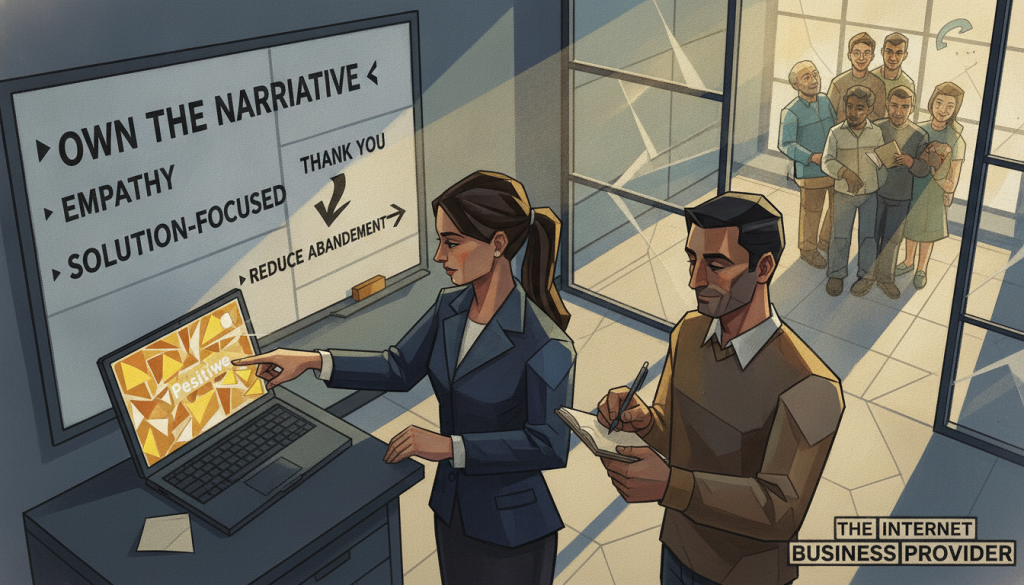
Own the Narrative With Professional Review Responses
A thoughtful reply can change how a complaint shapes the next purchase. It shows that the business listens, accepts responsibility, and values each shopping experience. This matters because PwC found that just 30% of consumers strongly trust brands, while 90% of leaders believe buyers trust them.
Responding Promptly Without Becoming Defensive
Address the specific concern quickly. A generic message may seem careless or disconnected. Defensive language can deepen doubt, especially when trust already feels weak. Keep the tone calm, factual, and respectful.
Turning Legitimate Complaints Into Visible Service Recovery
State the next step clearly. Offer a replacement, refund, troubleshooting help, or direct access to a trained specialist. Protect private details during public exchanges, then confirm follow-up privately.
Visible service recovery can reassure future shoppers before they add an item to a cart. Forty-two percent are more likely to leave when product pages show negative reviews. Since 87% will pay more for trusted brands, respectful replies support sales, lower cart abandonment, and give carts a better path through checkout.
- Show empathy and ownership.
- Use accurate facts and protect privacy.
- Escalate complex cases quickly.
- Confirm the final solution.
Leverage Social Proof Where Purchase Decisions Happen
Place reassurance beside each buying action, not in a distant review tab. A shopper should see clear proof while choosing a product, adding it to a cart, or entering payment details.
Placing Positive Reviews Near the Add to Cart Button
Show the average rating, review count, and a brief verified-buyer label near the Add to Cart button. A short customer quote can answer a concern about fit, quality, or delivery. Salsify reports that 42% of buyers are more likely to leave when product pages lack ratings or show poor feedback.
Useful proof should appear at the moment a purchase decision takes shape.
Using Trust Badges, Ratings, and Verified Buyer Signals
Pair product-specific ratings with secure-payment badges, return details, delivery dates, and review recency. High-quality photos and video should support written feedback; 33% of shoppers go elsewhere when visual content is missing or weak. Balanced sentiment summaries also build credibility without hiding criticism.
- Keep reassurance visible from product page through checkout.
- Use verified labels beside each relevant rating.
- Link trust signals to simple order and payment details.
Since 87% pay more for trusted brands, this approach can reduce cart abandonment, support sales, and help recover abandoned carts.
Build a Proactive Reputation Management System
A steady stream of customer insight can turn reputation work into a daily operating system. Automated tools invite satisfied buyers to share feedback after delivery or after a suitable product-use period. This timing gives customers enough experience to write useful, authentic reviews.

Consistent feedback volume can reduce the visibility of occasional criticism without hiding or changing legitimate experiences. Segment requests by product, order status, delivery confirmation, satisfaction signals, and customer history. This approach improves timing and response quality.
Automating Review Requests for Satisfied Customers
Publish positive feedback promptly, address concerns directly, and report results by brand, product, and campaign. Persado Dynamic Motivation typically delivers a 3–5% increase in incremental revenue for brands using it in online shopping carts.
Using Feedback Patterns to Prevent Future Abandoned Carts
Look for repeated complaints about shipping, sizing, quality, payment, or support. These insights help retailers update product pages, service solutions, and inventory alerts. Since stockouts cause 29% of customers to leave carts, timely alerts can prevent shoppers from reaching checkout for unavailable items.
Link these insights with reminders, personal offers, service tickets, and product updates to reduce cart abandonment. This process helps brands spot why shoppers abandon carts and supports stronger sales.
The IBP Advantage for Recovering Lost Sales Revenue
IBP turns reputation data into an early warning system for ecommerce teams. Statista reports global cart abandonment rates above 70%, so small trust issues can create major revenue gaps. IBP tracks rating shifts, review volume, response delays, complaint themes, checkout errors, and recovery results.
Monitoring Reputation Signals Before They Affect Checkout
Early alerts can reveal a product or service issue before it reaches many shoppers. Teams can then update content, fix payment barriers, improve delivery details, or offer a service solution. This proactive approach helps reduce cart abandonment before sales decline.
Connecting Review Insights With Cart Recovery Strategies
IBP connects customer feedback with abandoned carts, targeted emails, onsite messages, recovery offers, payment help, and delivery updates. Baymard estimates that better checkout usability could recover $260 billion in annual sales. Persado reports a 3–5% incremental revenue lift from dynamic online-cart messaging.
Accessibility also matters. Eighty-seven percent of ecommerce leaders say accessibility improves usability and reduces abandonment, while 46% worry about failing shoppers with disabilities. Use IBP to prioritize fixes, guide campaigns, and recover lost revenue with confidence.
Conclusion
Revenue recovery starts with trust at the final buying step. An unresolved bad review can turn a ready cart into abandonment, while hidden fees, weak product details, poor access, or payment trouble add more doubt.
Use clear prices, accurate content, reliable payment, accessible checkout, and responsive service to support each decision. Retailers can respond with care, place verified social proof near purchase controls, and automate review requests after successful orders. These steps help reduce cart abandonment and protect future revenue.
Baymard’s estimate—$260 billion in recoverable sales—shows the scale available through smoother checkout. IBP connects reputation signals with checkout fixes and recovery strategies. Treat every customer comment, cart, and payment interaction as useful evidence. Small improvements can restore confidence and keep more shoppers moving toward purchase.