
Imagine a dedicated team member who never sleeps or asks for a holiday. Your digital presence should be the hardest working employee in your company. It functions through the night to ensure your brand stays visible to the entire world.
Most leaders invest in a business presence but forget to define its specific job description. It must generate qualified leads and build trust at any time of day or night. If it is not actively closing sales, you might need to rethink its role.
A high-performing website does much more than just look pretty. It acts like several employees combined, handling customer service and data collection simultaneously. It provides direct metrics that show exactly how it manages its daily duties.
Many things change in digital marketing, yet the need for a 24/7 sales tool remains constant. You must decide if your current digital asset deserves a promotion or requires better training. Treat it as an essential employee to maximize your growth and reach.
Unlike human employees who require breaks, your online platform operates continuously. It represents your brand to potential clients around the globe without interruption. This guide helps you manage this vital resource for the best possible return on investment.
Key Takeaways
- Your site functions as a dedicated worker that generates leads 24/7/365.
- Business owners should evaluate digital performance using specific job metrics.
- A well-optimized platform builds immediate trust and answers customer questions.
- Determine if your online presence requires a promotion or tactical training.
- Web analytics provide clear data to measure your digital worker’s success.
- Unlike human staff, a site operates globally across all time zones.
Why Your Website Deserves a Performance Review
When was the last time you sat down with your website to discuss its recent performance and contribution to company goals? Every successful leader conducts regular reviews for their employees to assess productivity and alignment. Unfortunately, many owners overlook the digital employee that represents their brand every hour of the day.
“Your online presence is often the only representative a customer sees before deciding to trust your brand.”
A digital worker’s performance directly impacts your business results. If the site does not show up on time by loading with high speed, visitors will leave before engaging. A slow page creates an immediate negative impression that suggests your firm is unreliable or careless.
Clarity in communication is just as vital as technical health. If visitors cannot understand what you do within seconds, the website is failing its primary job. Unlike human employees, you can measure a digital worker with objective metrics like traffic quality and lead generation numbers.
An outdated design or broken links signal that your firm is behind the times. Regularly auditing your digital presence reveals if it is a valuable asset or an underperforming liability. Use the same high standards for your online platforms as you do for your staff.
| Evaluation Area | Human Employee | Website Employee |
|---|---|---|
| Punctuality | Arriving at the office on schedule | Page loading speed and uptime |
| Communication | Clear verbal and written reports | Value proposition and UX clarity |
| Output | Completed tasks and projects | Leads, sales, and conversions |
Your Website as an Employee: The Job Description
Viewing your website as a versatile employee helps you understand its true value to your organization. While human staff members often focus on one department, your digital worker handles multiple functions at the same time. It maintains a professional image for your company every hour of the day.
Defining a clear job description for this role is essential for business growth. Your digital worker acts as a salesperson, support agent, and data expert simultaneously. It provides a level of consistency that is hard to match with traditional hiring methods.

| Characteristic | Traditional Worker | Website Employee |
| Primary Job | Single specialty | Multiple functions |
| Availability | 40 hours a week | 24/7/365 |
| Workload | One-on-one | Unlimited visitors |
The first core duty involves lead generation and sales support. This website captures visitor info and qualifies prospects without needing any human help. It presents your products clearly and helps customers make fast buying decisions.
“A website is the only employee that works 24/7, handles a million customers at once, and never asks for a raise.”
The second duty focuses on customer support and self-service. It allows visitors to find answers on their own, which saves time for your other employees. This role ensures that simple questions do not clog up your phone lines or email inboxes.
Thirdly, the role covers marketing and brand building through high search visibility. The fourth function involves data management and business automation. It tracks how people behave and sends that vital information back to your leadership group.
When your website handles these four areas well, it becomes your most valuable team member. It boosts the productivity of all your human employees. Best of all, it operates at a tiny fraction of the cost of a traditional new hire.
Your Website Employee’s First Function: Generating Leads and Making Sales

Your employee takes the lead in growing your bottom line by finding new prospects and closing deals. This digital worker serves as a complete sales department for your company, often removing the need for physical store locations. Unlike old ads where people are passive, visitors to your site actively seek out your information to solve their problems.
Strategic Email Capture Systems
Smart employees in the digital space use lead generation tools to identify anonymous visitors. By offering resources like guides or product demos, your website collects contact details to build a database of qualified leads.
These features help qualify clients before they ever talk to your team. Providing specific information through quizzes or calendars makes this one of your most effective growth strategies.
E-Commerce and Sales Automation
Modern sales automation features allow your business to process transactions securely at any hour. This website employee manages inventory and handles payments without human help.
You can use automated tools like cart recovery to boost sales from every visitor. These employees work continuously to maximize sales revenue while you focus on high-level strategy. This system ensures your sales cycle never sleeps and operates perfectly without constant supervision.
Your Website Employee’s Second Function: Customer Support and Self-Service
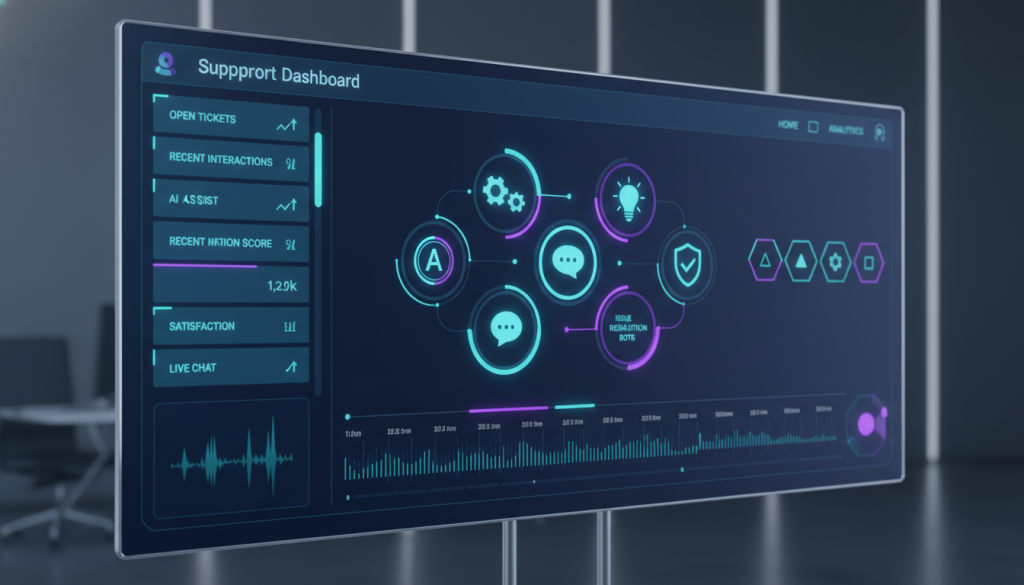
High operational costs often stem from manual support, yet a well-oiled website employee solves this efficiently. This digital worker handles common inquiries without needing constant human intervention. By providing instant information, your company saves money while keeping clients happy.
A website that works around the clock ensures that no client is left waiting. Efficiency is the key to maintaining a competitive edge in today’s fast-paced market.
Building Comprehensive FAQ and Knowledge Base Systems
A searchable FAQ section allows a user to find answers on their own timeline. This reduces the number of support tickets your employees must manage daily. Detailed guides and video tutorials empower a user to solve issues 24/7 with the right information.
Self-service portals give users control over their purchase history and invoices. This level of autonomy creates a better experience and reduces administrative workloads for your team. Product detail pages also act as comprehensive resources to answer pre-purchase questions.
Live Chat and Interactive Support Tools
Integrating customer service chatbot software provides immediate responses to urgent questions. These tools qualify leads and only escalate complex issues to human staff when necessary. This ensures your employees focus on high-value tasks rather than routine support.
Interactive features like forums and comment areas gather valuable feedback from your audience. These channels improve your services and create fresh content that search engines value. Gathering positive feedback through reviews also strengthens the reputation of your website.
Your Website Employee’s Third Function: Marketing and Brand Building

While some view a website as a static page, it actually serves as your company’s primary marketing engine. This digital employee works around the clock to build brand awareness. It helps you reach a wider audience without recurring ad costs.
A professional design ensures that your organization looks credible to every visitor. It acts as a complete sales brochure. Customers can find prices, features, and sizes at any time of day.
SEO Strategy and Implementation
Visibility in a search engine determines if customers find you when they need solutions. Professional SEO services help your website meet the 200 criteria Google uses for ranking. This way, your seo strategy captures high-intent prospects at the perfect moment.
These efforts include optimizing every page and improving mobile responsiveness. High-quality backlinks and fast speeds improve your rank. This website employee ensures your company stays visible in a competitive market.
Content Marketing for Authority Building
Creating high-quality content positions your employees as experts in their field. Case studies and guides build trust before a sales call even happens. Consistent seo focused content creation provides shareable assets for social marketing.
This way, your search presence grows through multiple entry points. Such efforts reward your employees with better leads. Valuable content addresses customer questions proactively and increases your search authority through helpful, educational content.
Your Website Employee’s Fourth Function: Data Management and Marketing Automation

Beyond just looks, your website employee handles complex data management for your company. Unlike traditional ads, web analytics provide immediate and measurable results that show exactly how people behave. This digital worker transforms raw data into intelligence by using advanced marketing automation platforms.
This way, your system executes sequences without constant manual work. It offers a level of efficiency that traditional employees simply cannot reach on their own. These tools help you stay ahead of the competition every single day.
Analytics and Conversion Tracking
Using full tracking tools, your site monitors every user interaction and captures vital information. These insights show the organization exactly what drives results. Effective tracking allows you to use data to find the best results and stop wasting money on failing strategies.
CRM and Email Marketing Integration
A digital employee uses a CRM to capture lead information and track communication history. This organization of information triggers personalized email sequences based on specific user actions. This way, the company ensures no prospect falls through the cracks while your website remains the most valuable employee without needing extra employees.
Managing and Optimizing Your Website Employee’s Performance

Effective website optimization services treat your online presence as a vital part of your staff. Hiring a website employee is only the beginning of your professional relationship. Ongoing management and training determine if this digital team member delivers results or becomes obsolete.
Regular performance audits are essential for your company. These reviews examine site speed, mobile responsiveness, and broken links. They identify specific areas needing attention before they impact your business efforts.
Continuous training for your website involves updating content and implementing new features. You must refine messaging based on customer feedback and search engine changes. This ensures your employee stays sharp and effective.
Testing different headlines and layouts provides data-driven solutions. Instead of guessing, you see which ways produce better results for the organization. This process turns assumptions into actual user data.
Gathering feedback from your human team reveals gaps in information. Other employees who talk to customers daily can suggest vital improvements. Their insights help the employee support your sales goals better.
Technical monitoring and security patches protect your digital assets from vulnerabilities. There are many ways to offer better solutions through your digital portal. Success comes to those who invest in training their digital employees.
Conclusion
Adopting the mindset of a website as an employee fundamentally shifts how a company approaches its digital presence. It is not just a digital brochure but a dynamic asset that handles sales and services around the clock. Proper management ensures these things work perfectly for your business.
A high-performing website manages leads, offers support, and builds brand authority. Unlike human employees, these websites work without breaks and serve unlimited clients at the same moment. This way, your staff can focus on tasks that require people and creative energy as your digital employee handles the rest.
While websites cannot replace the empathy of human employees, they offer an incredible user experience through speed and efficiency. A well-crafted design and functional features ensure your business remains competitive. If your current site isn’t performing, it might be time to consider an upgrade or hiring a new employee.
Every page should drive specific events and results. Investing in your digital staff offers a high return that supports your human employees. One must evaluate the experience today to see if you need to hire new services or update an old page to track events. Your site is a critical website that represents your company. When websites fail, revenue drops, but modern websites provide the website employee results that effective websites win.
| Digital Role | Primary Benefit | Human Synergy |
|---|---|---|
| Lead Generator | 24/7 Prospecting | Pre-qualified sales calls |
| Customer Support | Instant FAQ answers | Focus on complex cases |
| Brand Advocate | Consistent Messaging | Enhanced creative strategy |